Guardians

Guardians category description lorem ipsum dolor sit amet consectetuer adipiscing elit sed at magna eget justo vestibulum venenatis.

Runner Beans

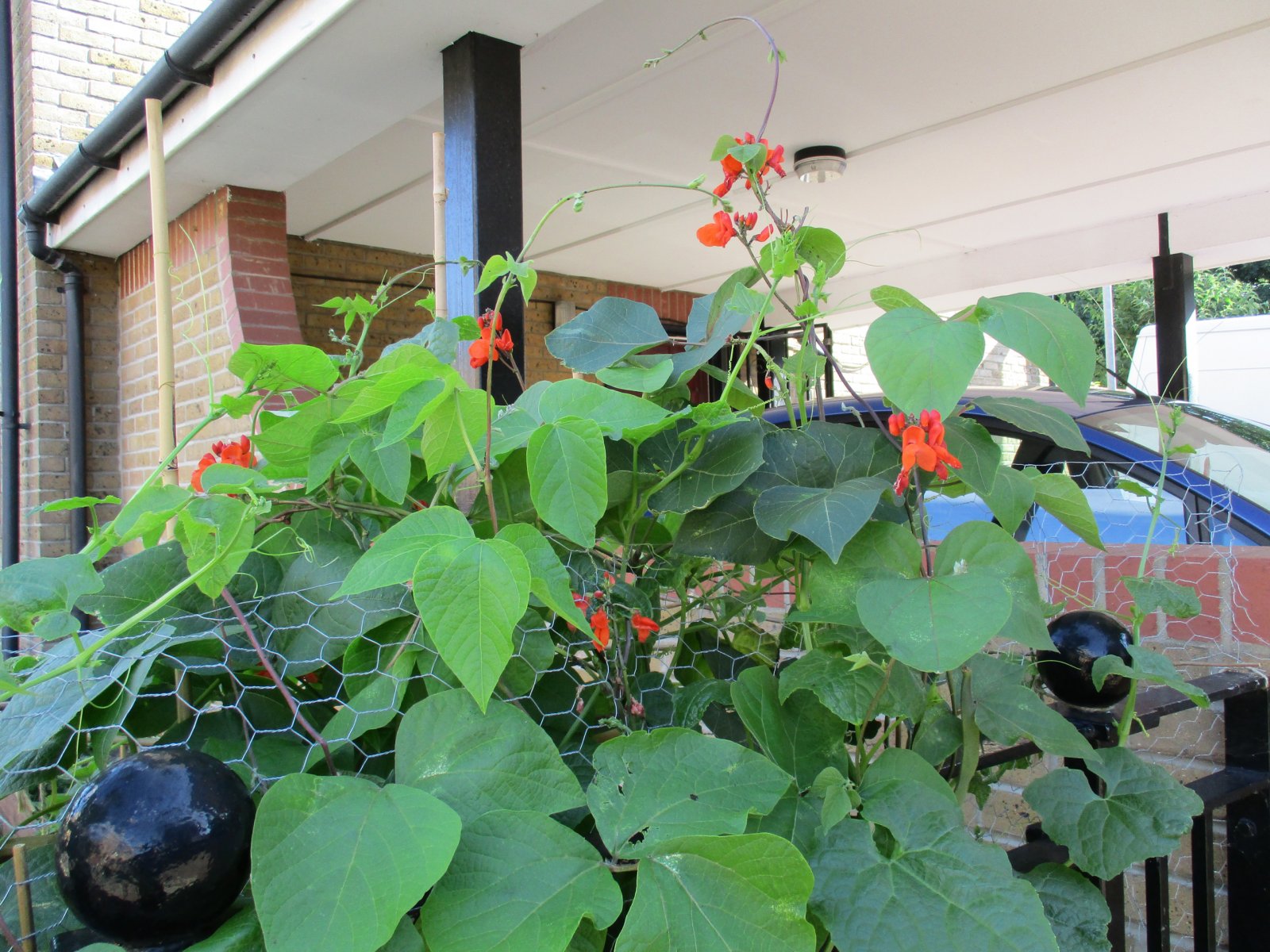
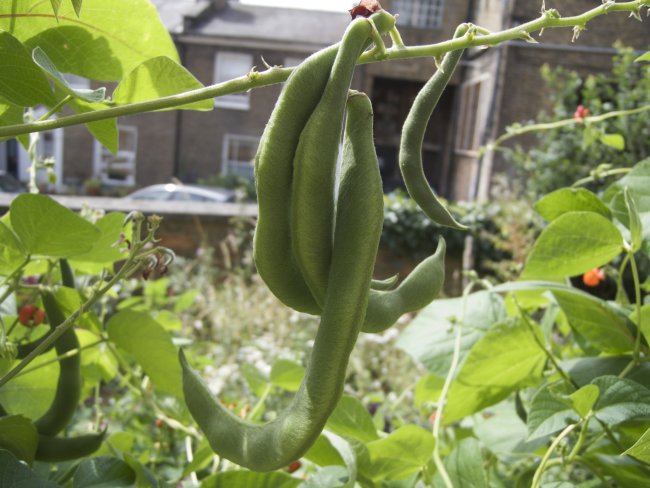
Lisa's runner beans. Photo: Lisa Lueaffat

Info

Runner beans are one of the easiest vegetables to grow. They need a support to climb up and well-watered soil. Sow indoors late April to May, outdoors May to June. Provide a support for the...
More

How to grow
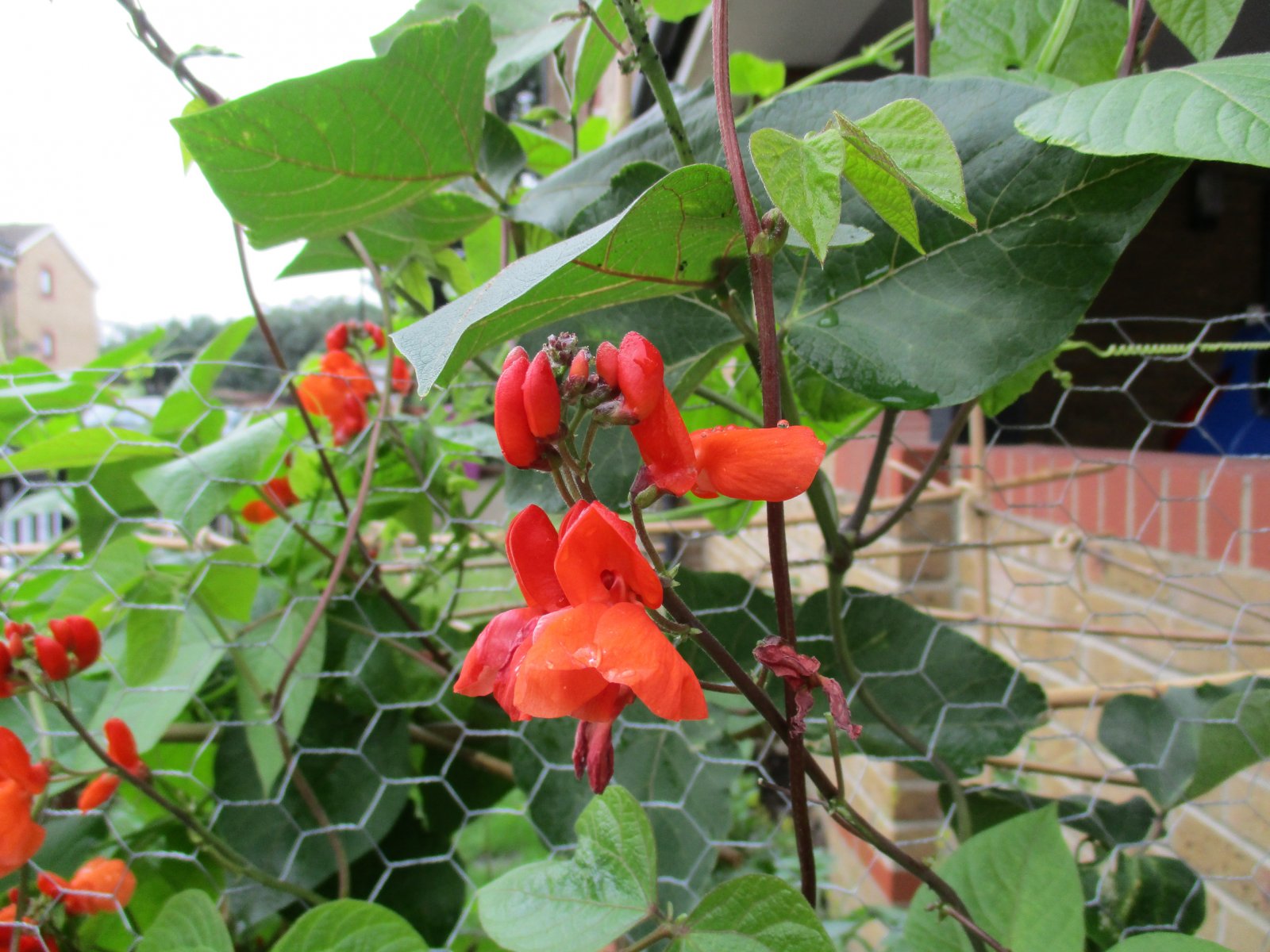
First of all plant runner beans inside. Sow them at the end of May. Runner beans grow really fast. So if you grow them too early, they will be very big, but you can’t put them outside because it’s too cold. So it’s better to sow them later. Runner beans like to climb, so they need climbing space. If you put a trellis in they can climb. If they can climb then they will produce more beans. If they can’t, then the crop doesn’t grow properly.
Sayada on Runner Beans

Recipe
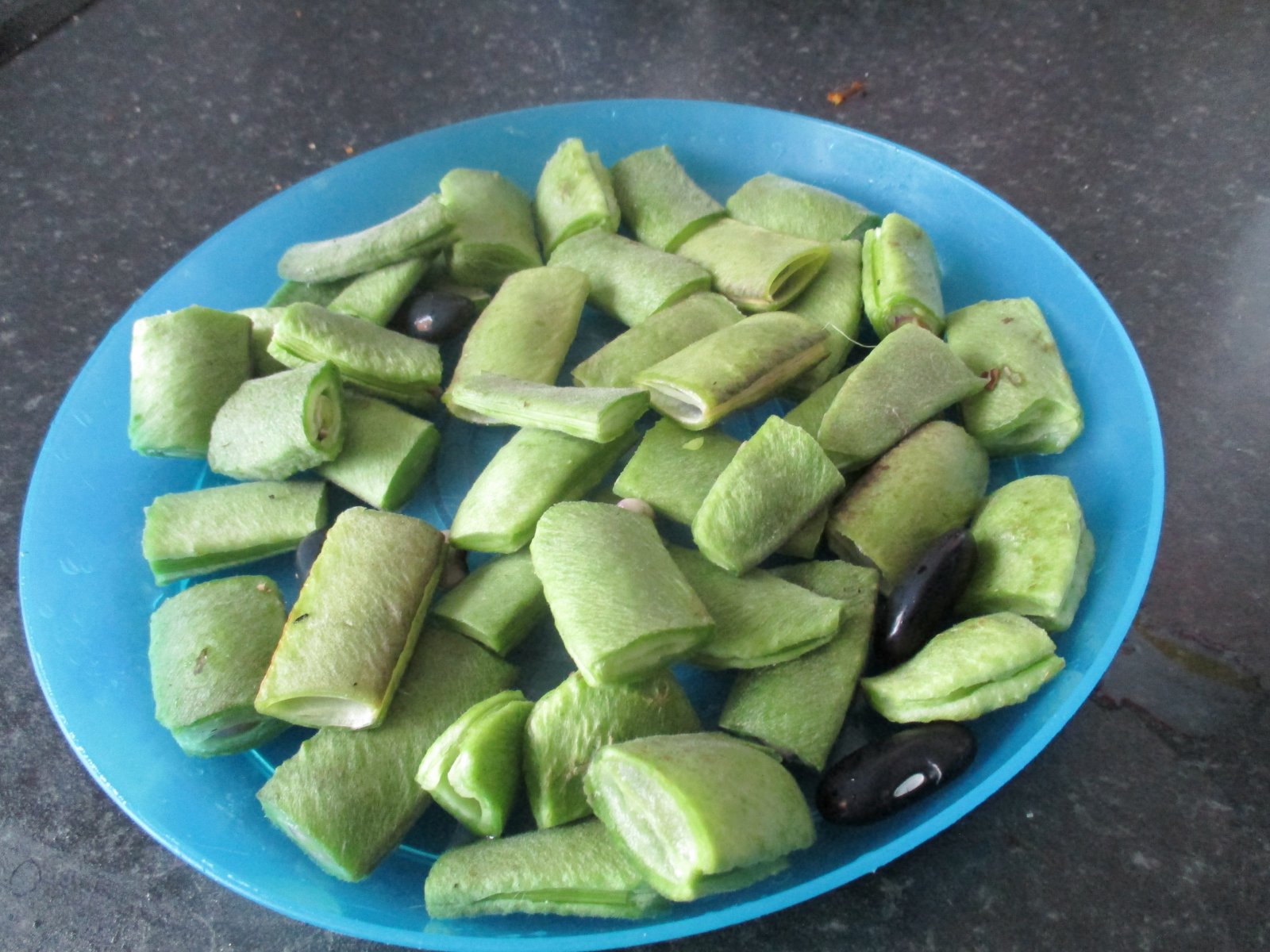
When the bean is young you can eat it the whole pod. We cook it with the fish or with chicken. When the bean is older, you can cook the seeds. Soak the bean seeds for two hours, then wash off the outside skin, the black skin. Then cook the bean seed with fish. Or you can eat it with chapati bread or rice.

My Story

About

Regina Walker, Seed Guardian, Spitalfields City Farm

I’m a community gardener at Spitalfields City Farm. I’m responsible for a little area of land, 0.167 acre, a community garden. And I run workshops on that land as well as growing vegetables on that land.

Why I grow my own food
I grow food because I enjoy it. Because I enjoy eating. Because I don’t like the predominant food chain. To be honest, I’d love to have my own plot, but there’s so many benefits to growing on a community garden, like all the skill-sharing. And all the social side of it is massive. So it’s probably something that, you know, you’d like to be isolationist and off growing on your own. But actually if you were, you’d probably be a bit lonely.

Why I save seeds
I want to have crops that are adapted for my ground. I want to have more productivity for less work. If I’ve got successful germination and plants that are doing really well, then they’ll just end up being more productive. I mean you can get a plant that’s supposed to be really really productive, but it’s not productive if it’s sat on your ground not germinating. So something that I’ve got germinates really well and grows really well, will end up being more productive. And I want to save money.

Connection between growing and my heritage
Well my dad’s side is from Birmingham, English, inner-city, slum people really, and they always grew vegetables. So it’s interesting to know that in that city vegetable growing was a very working class experience. The Irish side were self-sufficient farmers on the west coast. And the last few generations were quite well-to-do, so there was quite a lot of luxurious things grown like currants for making jams. So it wasn’t just subsistence.

Hear from Regina

How I feel when I’m working in the garden
Rage. Bored. Happy. Peaceful. Productive. Overwhelmed. A range of emotions.

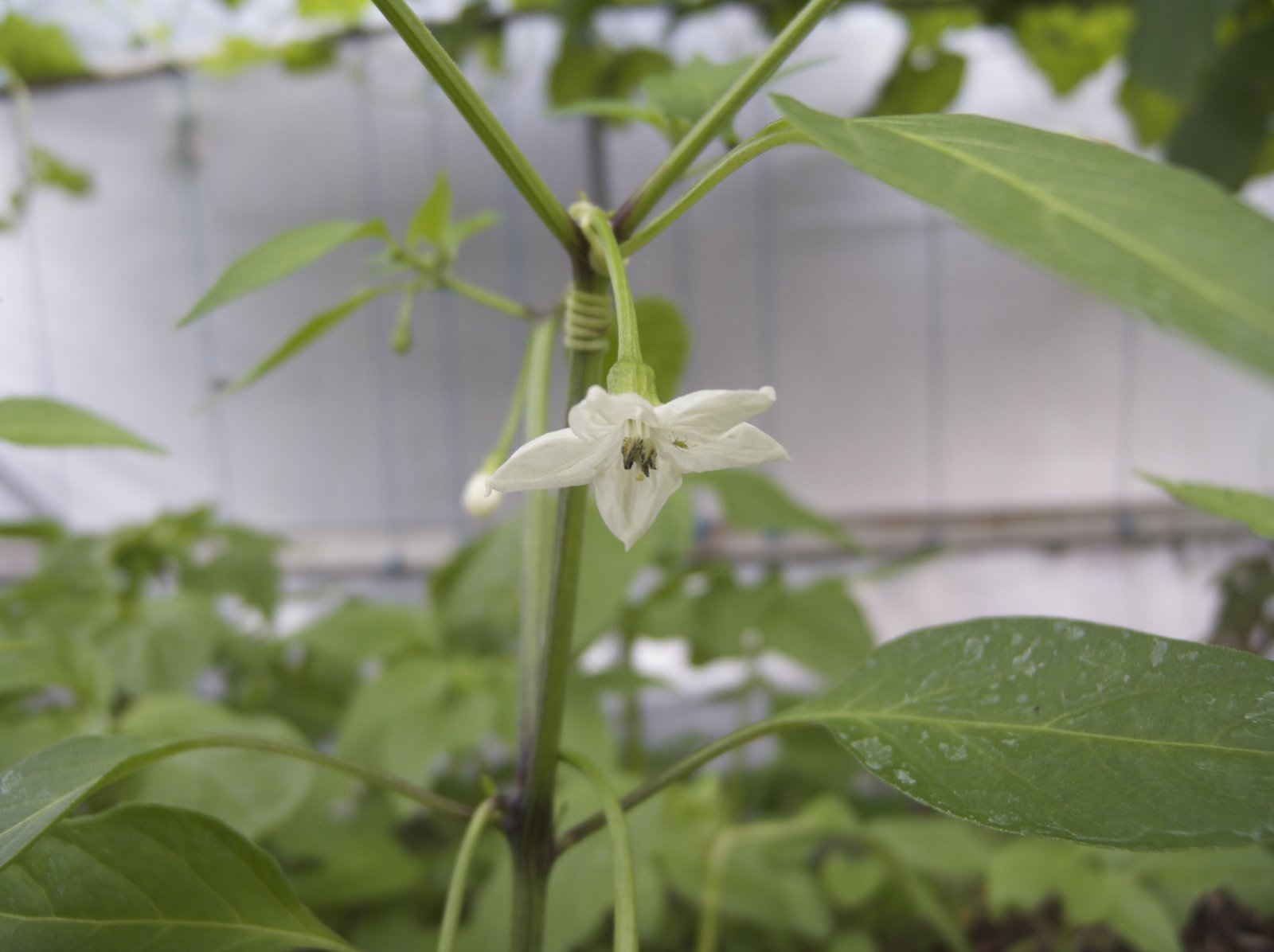
Chili

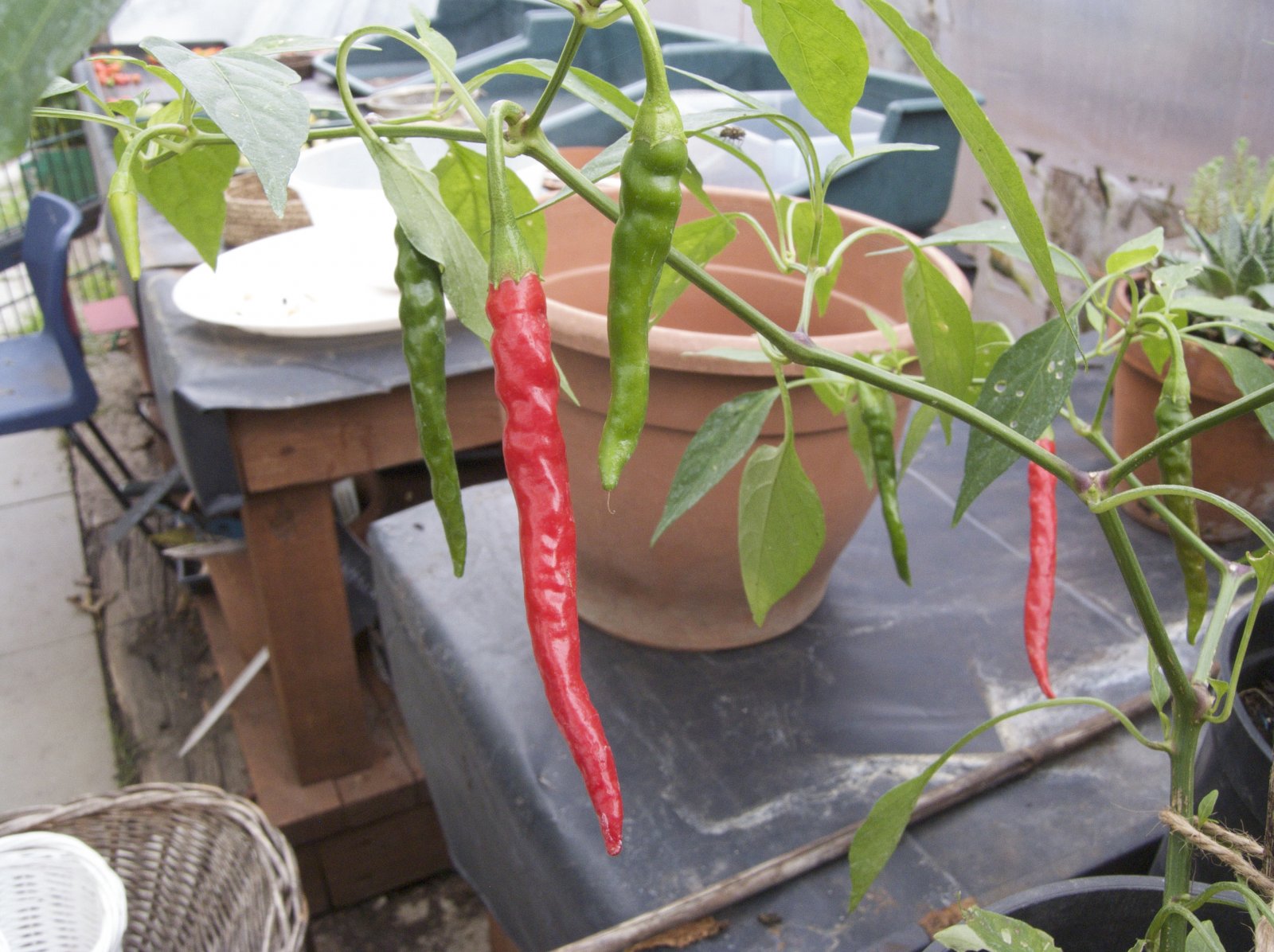
Lisa's French chili. Photo: Sara Heitlinger

Info

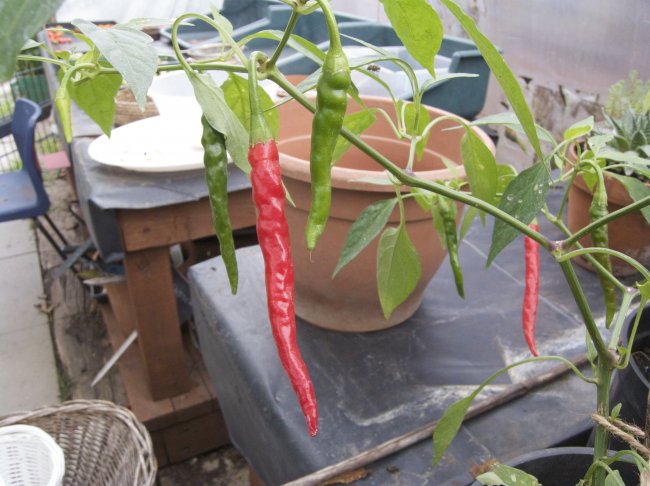
Chili peppers originated in Mexico, but are now used in many parts of the world as both food and medicine. Red chilies contain large amounts of vitamin C.
More

Where the seeds came from
This type of chili is from the southwest of France. It’s grown in a town called Espelette. My sister game me some chilies and I decided to grow them here. That was three years ago.

How to grow
Around April I would normally put the seeds in moist cotton wool to make them germinate. When they reach between 2-5 centimetres, with small leaves, transfer them to compost. They start germinating pretty quickly, within a couple of weeks you will start seeing the shoot coming out of the seed. When the plant is strong enough and has built a root system, then you can transfer them into compost. They don’t need manure in the early stages because it might burn them. Transfer the plant when it’s about 10 cm and it’s got enough leaves, into bigger pots, and then add manure. Just water. Either from the top, or just leave some water in a little reserve at the bottom. You can start seeing fruit end of July, but they’re still green. The fruit will probably turn red end of August or September. They are ready as soon as they’re red.

Nathalie on French Chilies

Tips
A chilli requires heat and sun. In the southwest of France they are perfectly happy outdoors. Here it’s safer to grow them indoors. They don’t require a lot of maintenance or attention. They are pretty easy to grow.

Recipe
I dry them for cooking. The taste is sweet, not too spicy. I use them to replace pepper, just to give that extra kick. It could be in a curry or any fried dish.

How to save seed
Once they’re dried, I will cut them open and remove the seeds. Put them in a little jar and store them in the cupboard.

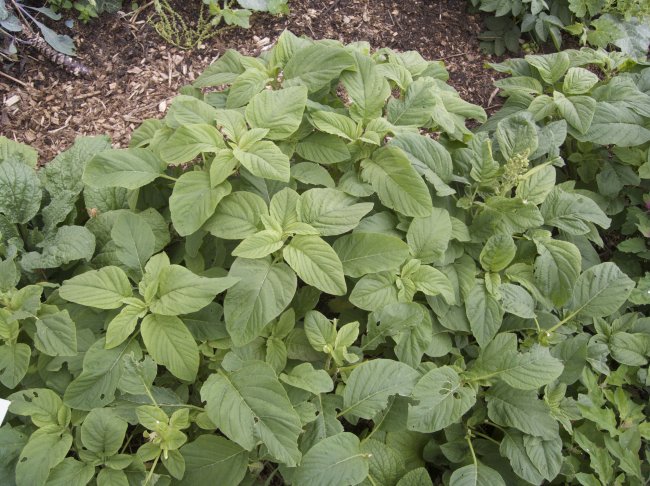
Calaloo

Richard's calaloo. Photo: Sara Heitlinger

Info

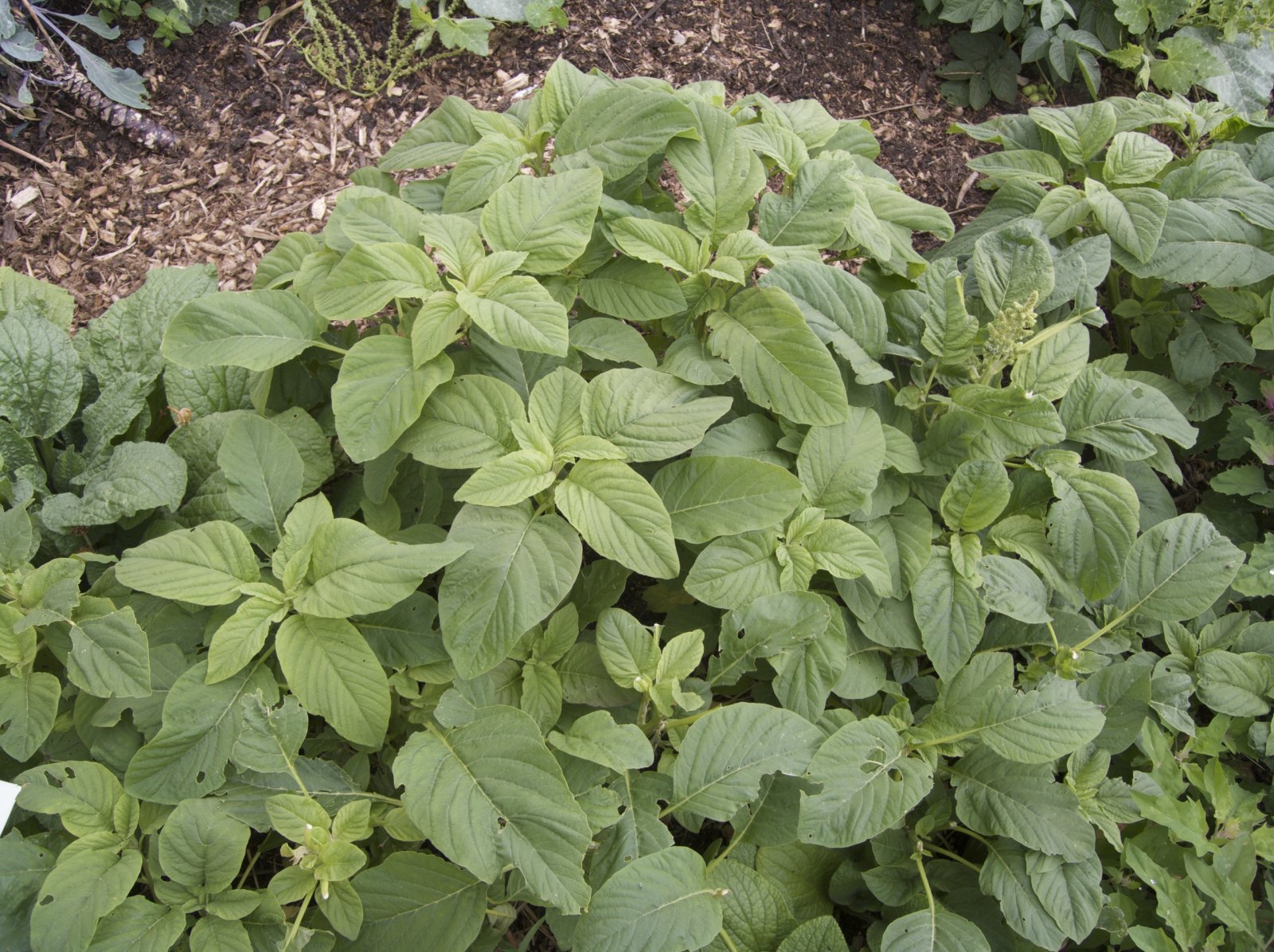
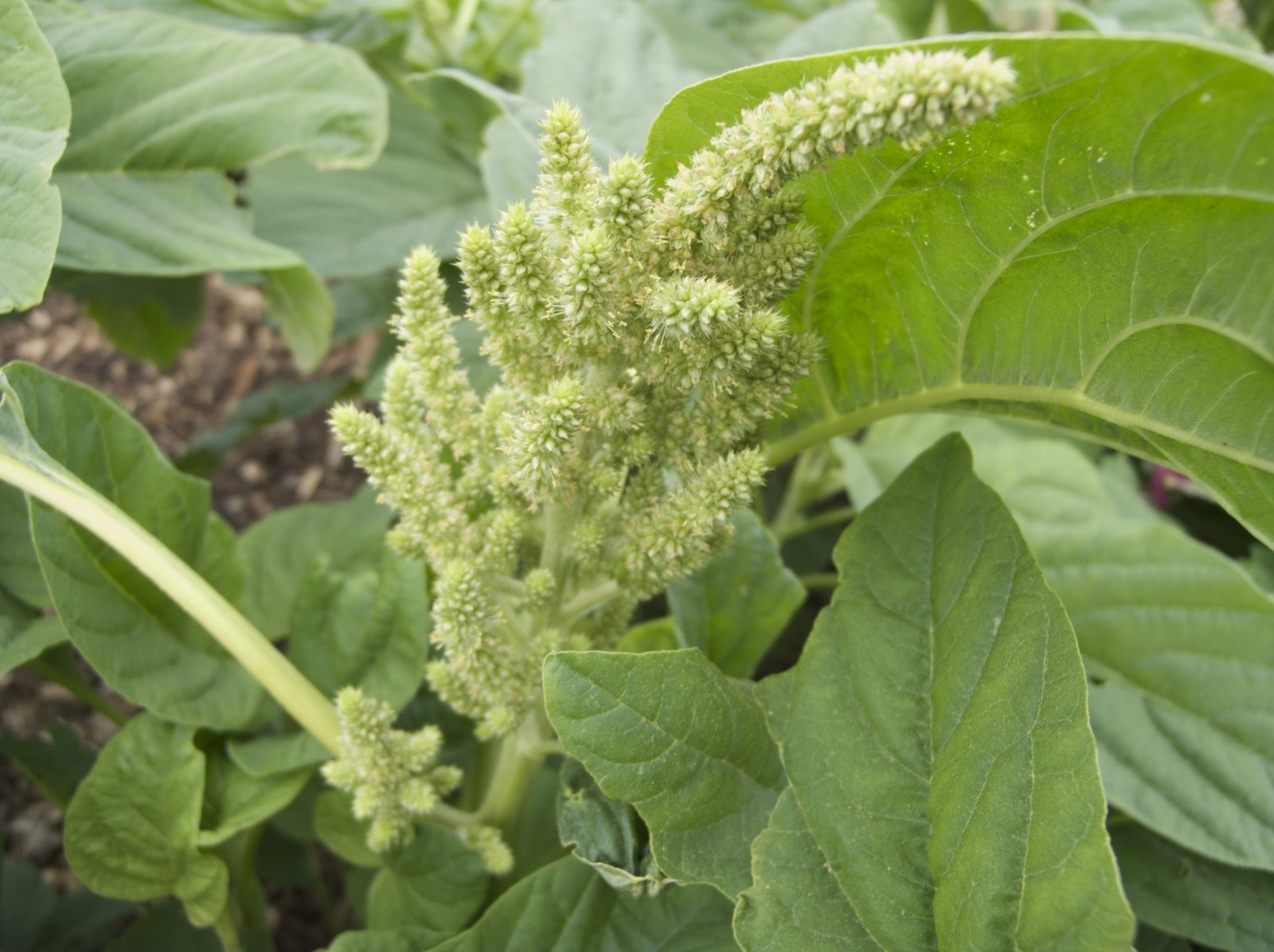
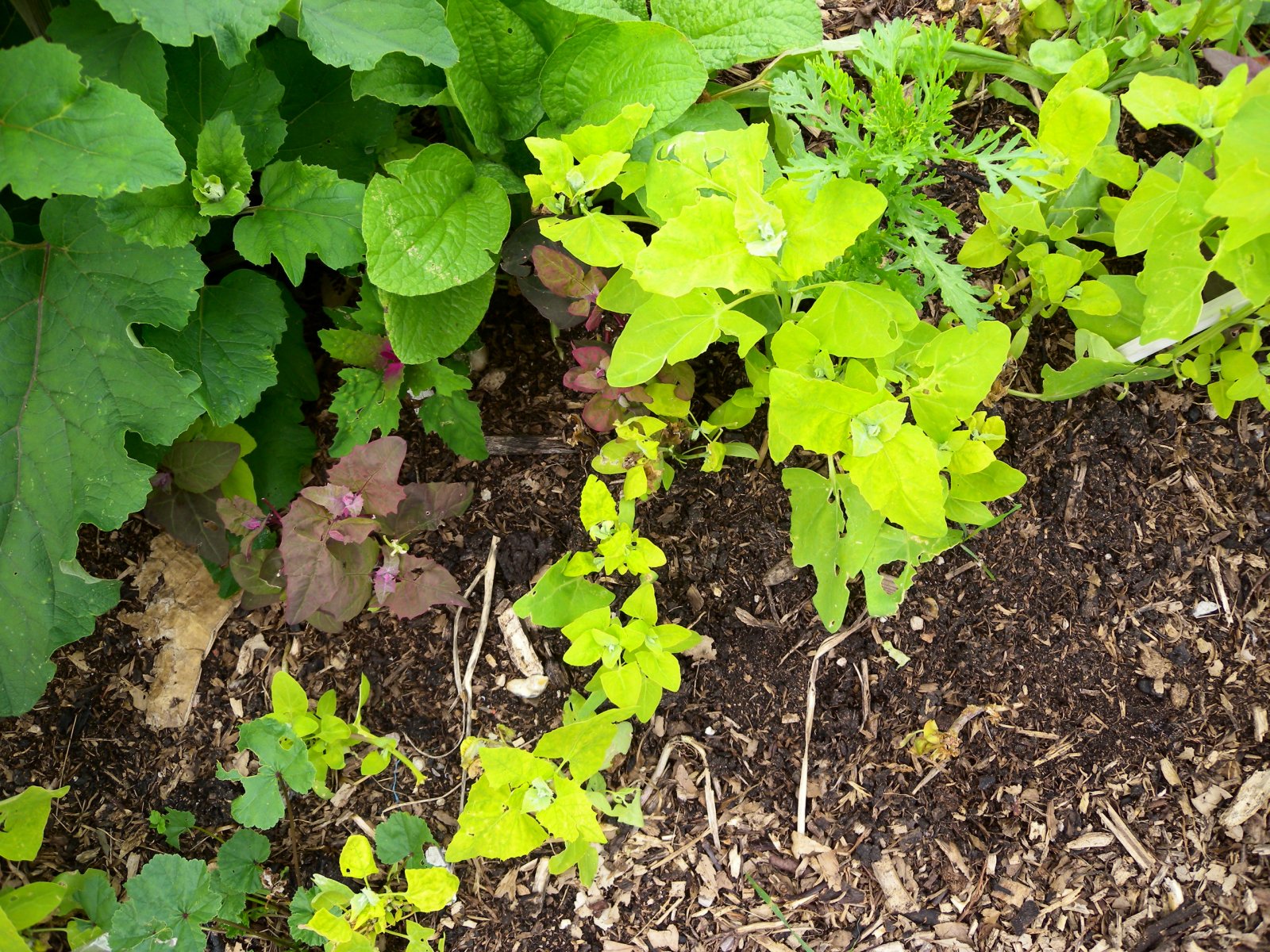
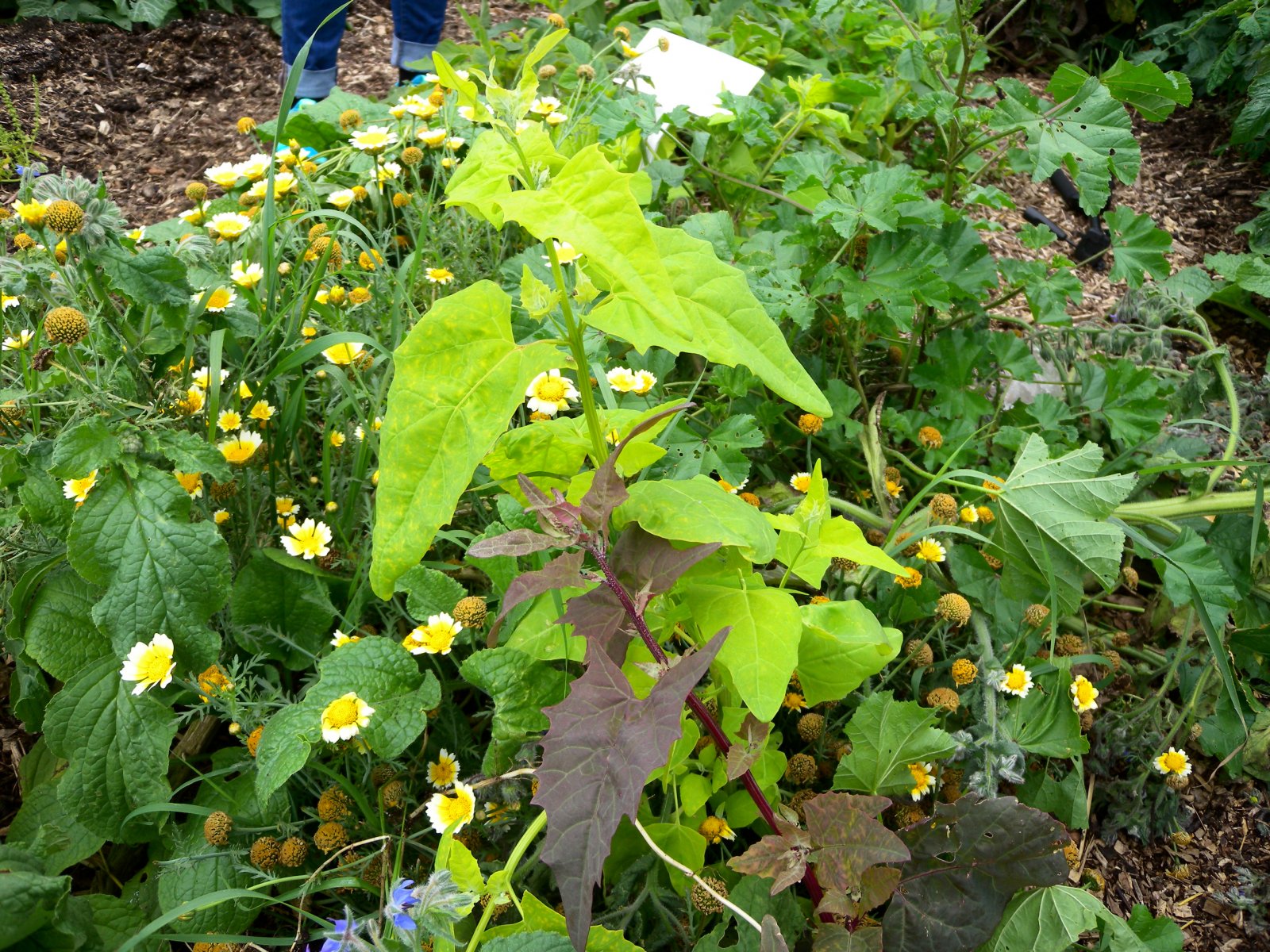
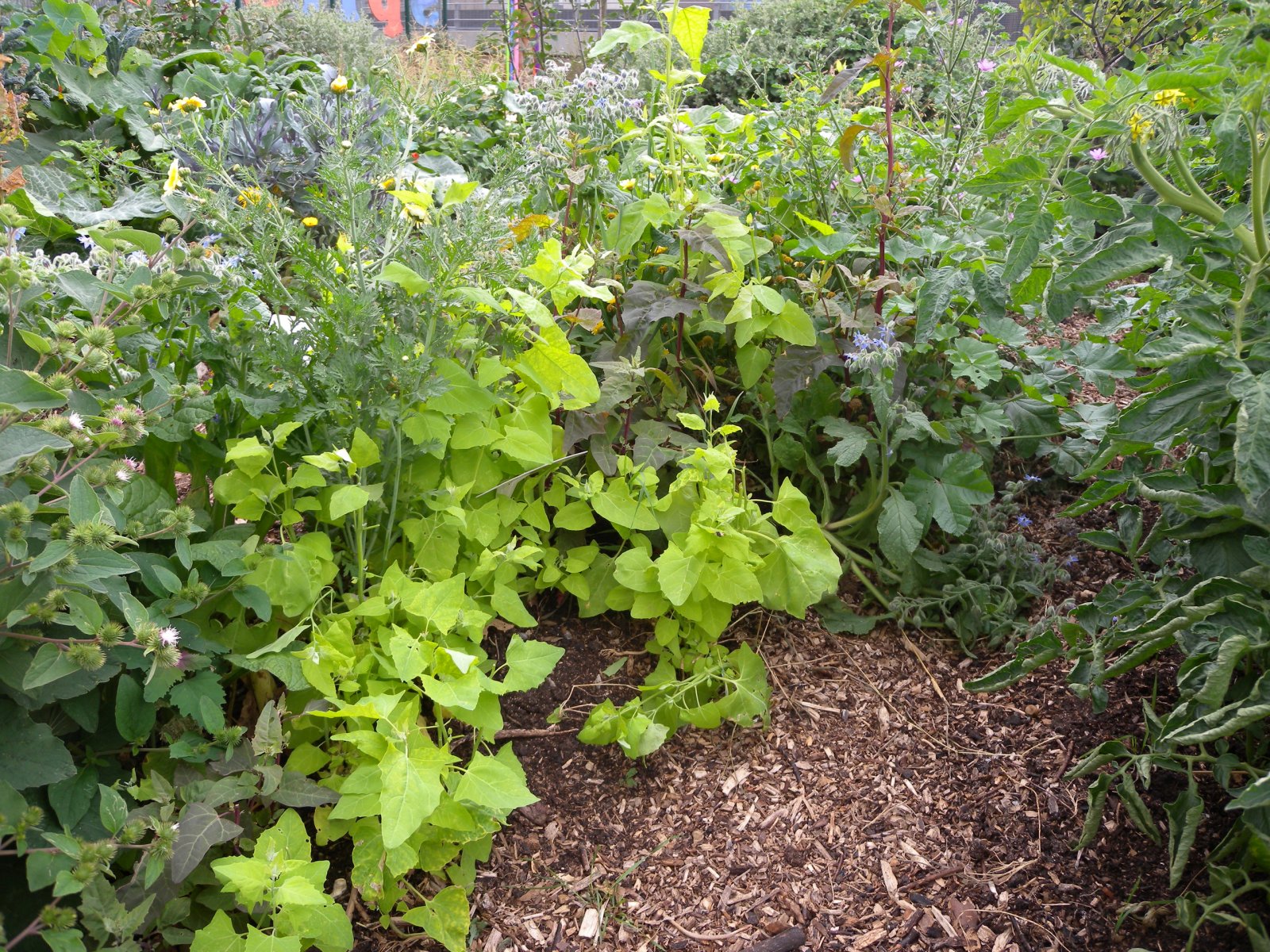
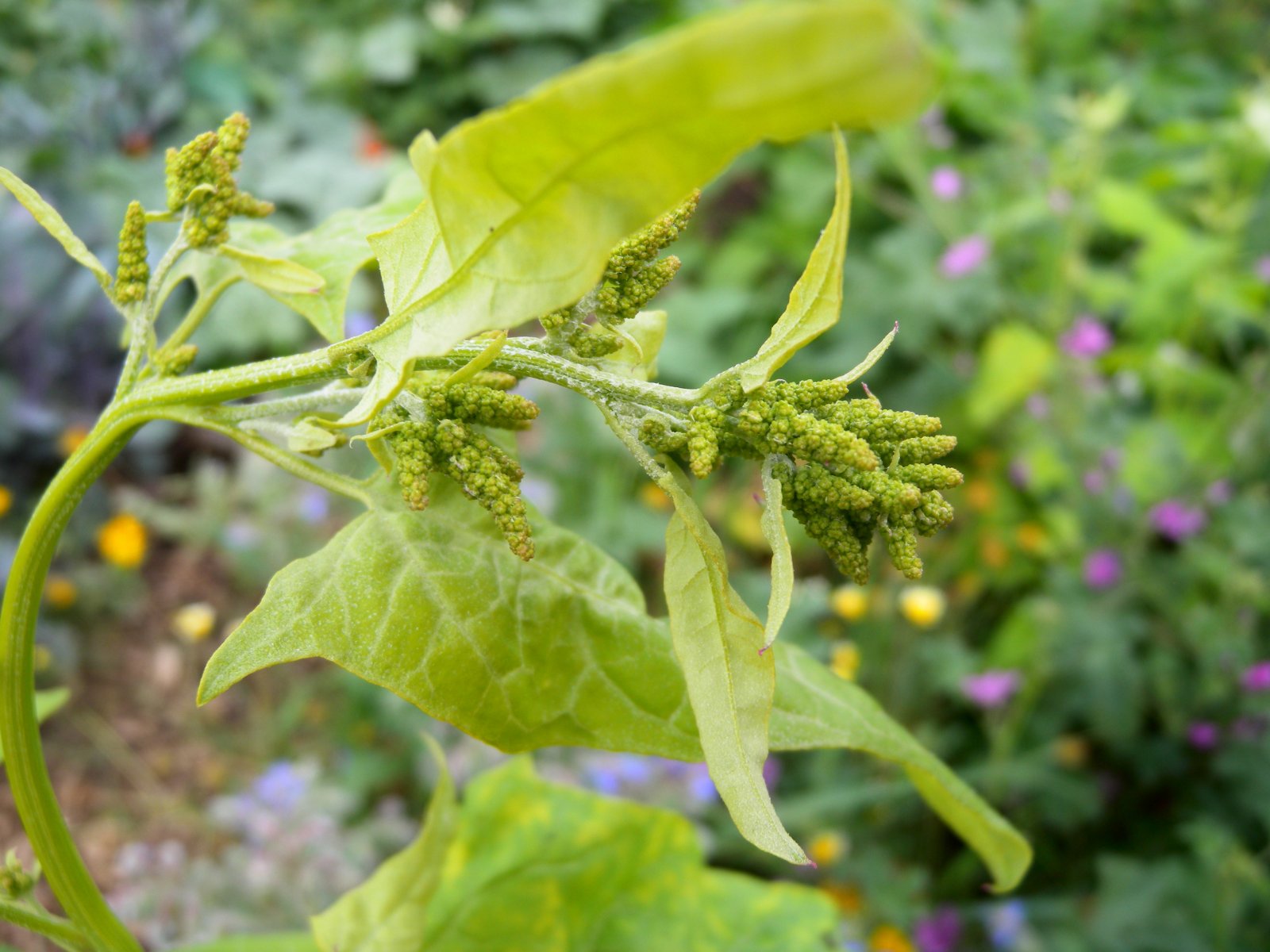
Like all amaranths, calaloo has edible leaves and seed, and has a huge range of leaf colours, shape and size. Once established, plants are quite drought tolerant. Calaloo grows well even outside in the UK....
More

Why I grow calaloo
The food that I, and a lot of my volunteers cook, involves a lot of leafy greens. Calaloo is a persistent source of leafy greens throughout the summer. It’s quite drought tolerant, and I’m trying to do everything here without mains water. And I just really enjoy the flavour.

Where the seeds came from
It was hybridised here from a Nigerian calaloo and a Jamaican calaloo, so it’s got hints of red from the Jamaican calaloo and hints of green from the Nigerian one. It came from my friend Joan 2 years ago. I should have kept the strains pure but they crossed.

How to grow
It needs to be really warm to germinate, so you would wait till May, June, maybe you’d even get away with July and still get a crop off of it. If you wanted to start them off in modules inside in a warm place, you could do that. Pot it on, then plant it outside when it gets really nice and warm. Or you could sow it directly into well prepared soil. It needs lots of sun.
More

Regina on Calaloo

Orach

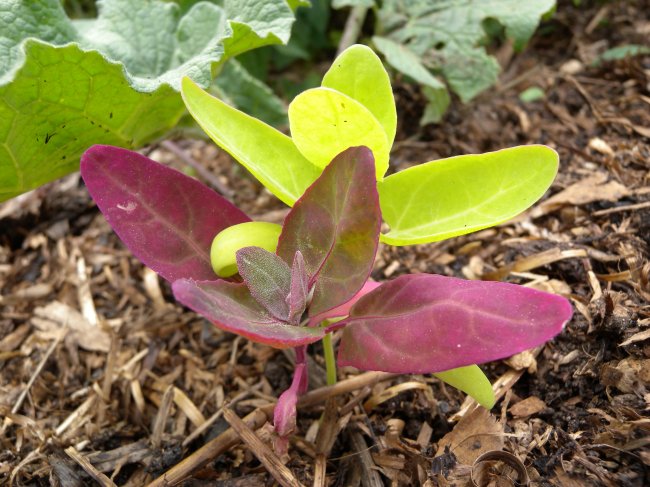
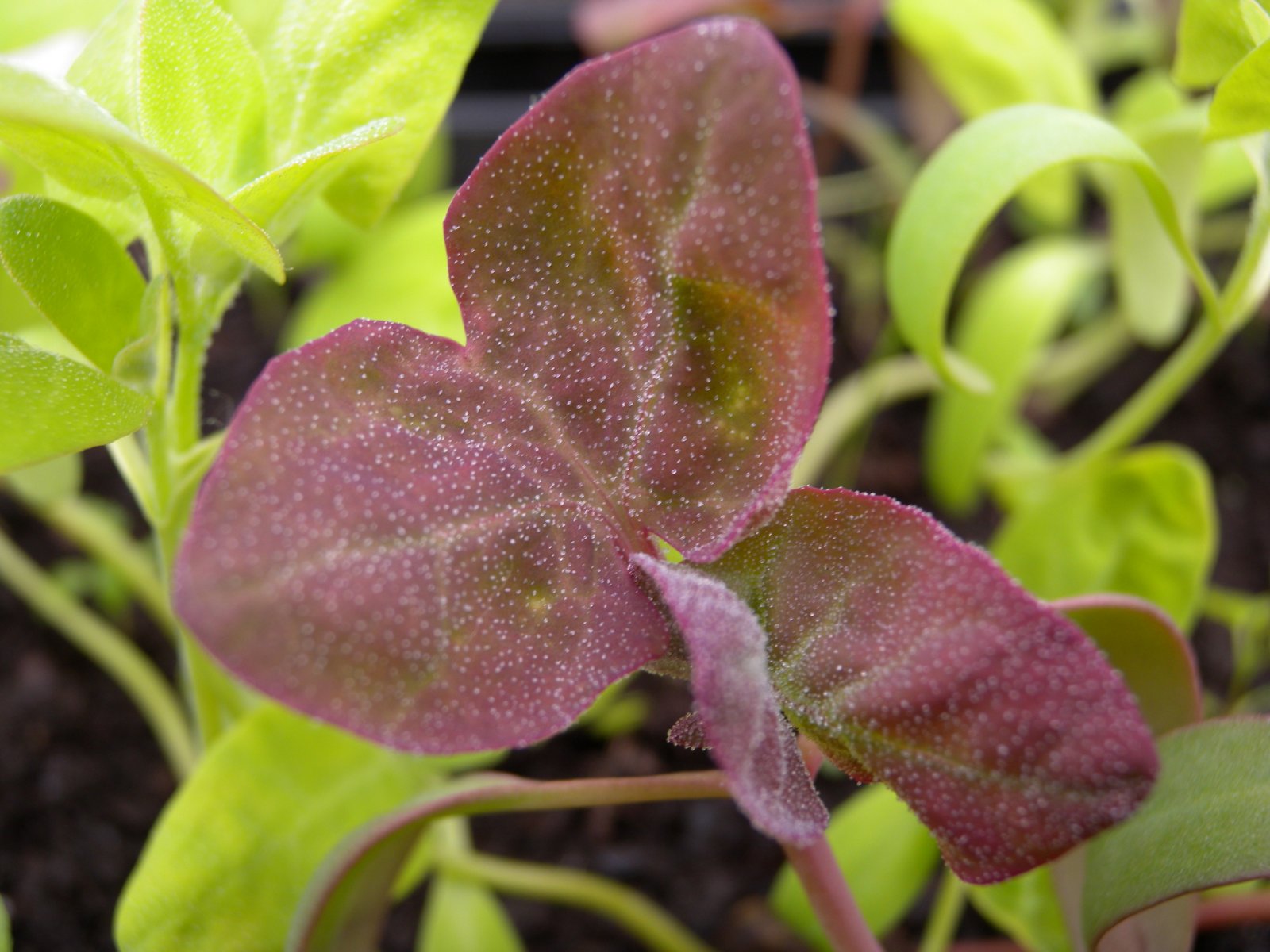
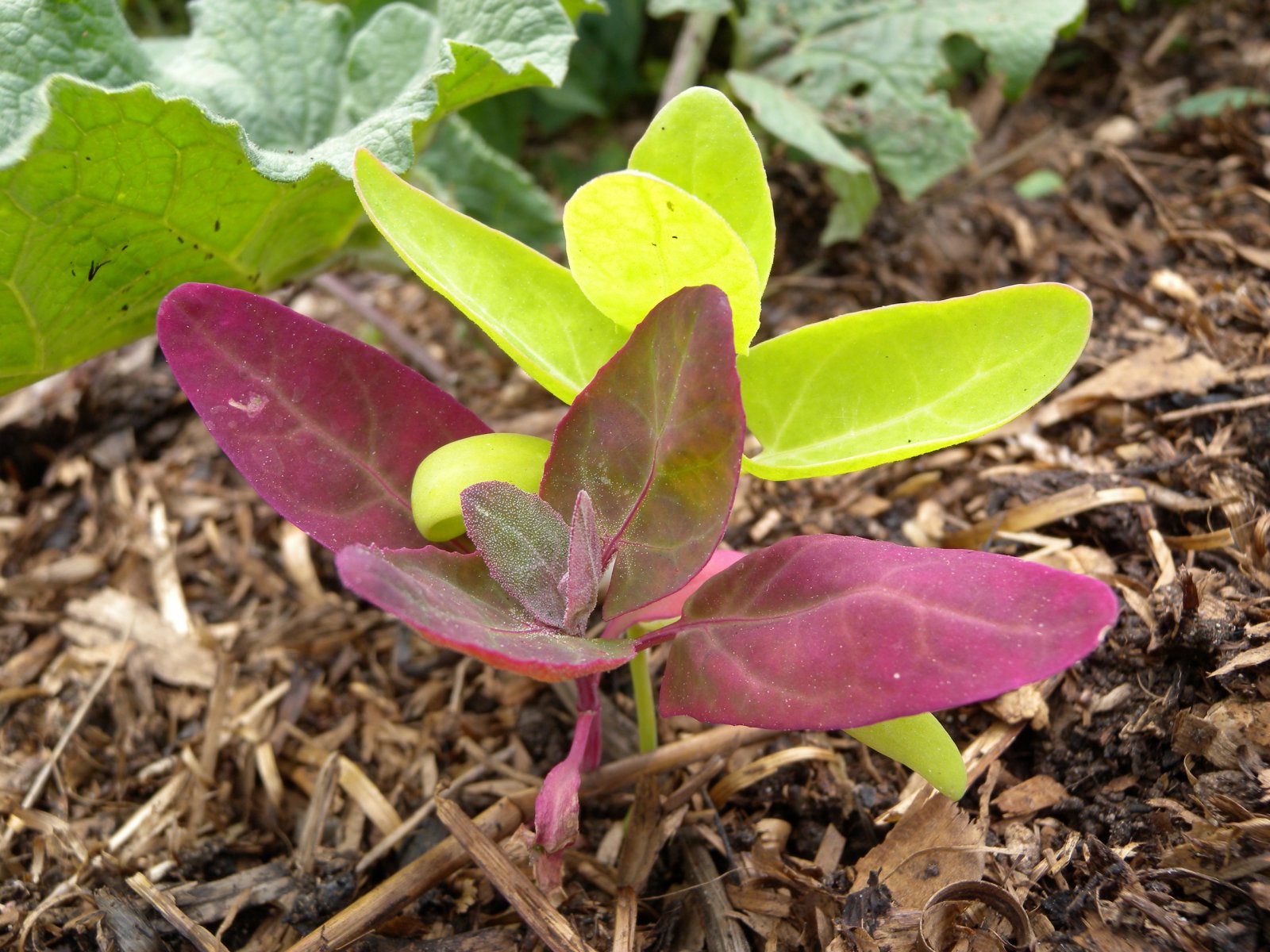
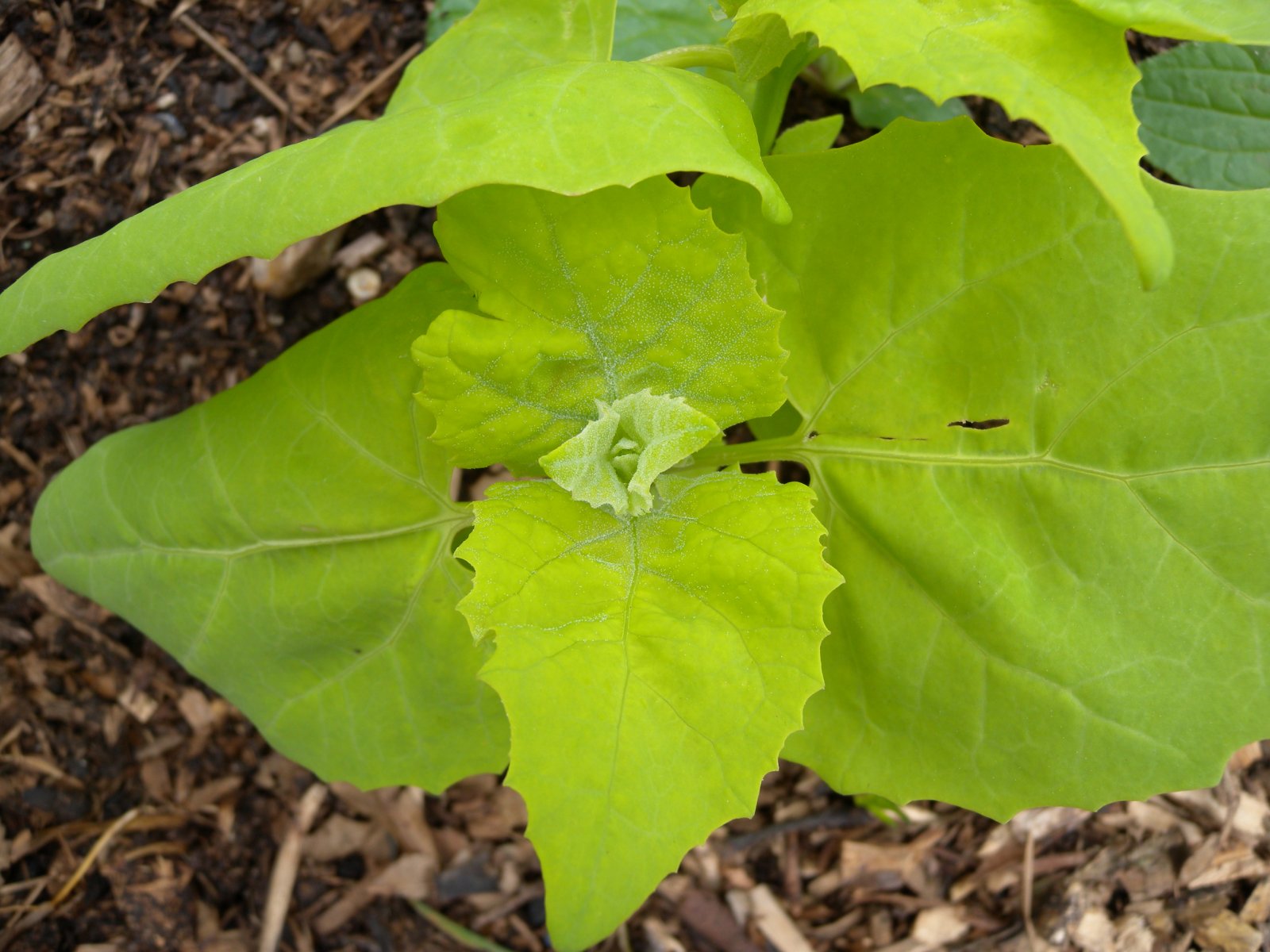
Richard's orach. Photo: Sara Heitlinger

Info

Orach is a species of plant in the amaranth family. Native to Asia and Europe, it was commonly grown in Mediterranean regions since ancient times until spinach became the more favoured leaf vegetable. It has...
More

Where the seeds came from
The green orach came from a seed company last year, and I saved them. So they’re from here.

How to grow
Orach will germinate slightly colder than calaloo so you might get away with sowing it in April. Somewhere between March and May really. You could bring it on in modules inside or put it straight in the ground. Doing it first of all inside means that you’ll protect it from the slugs and the snails until they get a bit bigger. And you can start it earlier because you’re moderating the temperature a little bit. Once you get it outside, you’re waiting for it to be about a foot tall. And then you snap the tops off to create a bush.
More

Regina on Orach

My Story

About

Ahmet Caglar, Seed Guardian

My name is Ahmet. I’m originally from Turkey. I’m using my back garden for this project. It’s a small garden. Actually there is only one raised bed and some containers.

Why I grow my own food
It’s very exciting and it’s valuable. At least the effort of it, all the process of growth and being busy in this process, and getting the results. And in some ways sharing it with friends and neighbours, when possible, is very rewarding.

Why I save seeds
I don’t always save seeds to be honest. I sometimes save seeds that I find difficult to find here. That’s one reason. And also sometimes to share with friends and neighbours. It’s a resource and we can keep it and we can continue with it and we can share it. Otherwise it’s a waste of money, waste of resources. And it’s a continuous chain, which is also exciting, to know the history of the seed. There are lots of other stories attached to it.

Connection between growing and my heritage
Two plants I tried to grow in this project are linked to my background, to my childhood. The purslane, my mother used to cook. It has some sort of emotional link attached to it. Similarly the chickpeas, we used to eat them fresh. In the markets they used to sell them and they are eaten like a delicacy, green and very delicious. I was excited to grow and eat them like that.

Hear from Ahmet

How I feel when I work in the garden
Failures are sometimes frustrating. But as a process I think it’s rewarding, it’s something you do with your hands and also your mind. You make structures and you make some plans. And also you care for them, especially in their early stages. I work as a counsellor, and in two of my work places I work in the garden with clients. Gardening facilitates a lot of positive things in the work and in their world because it’s a process.
More

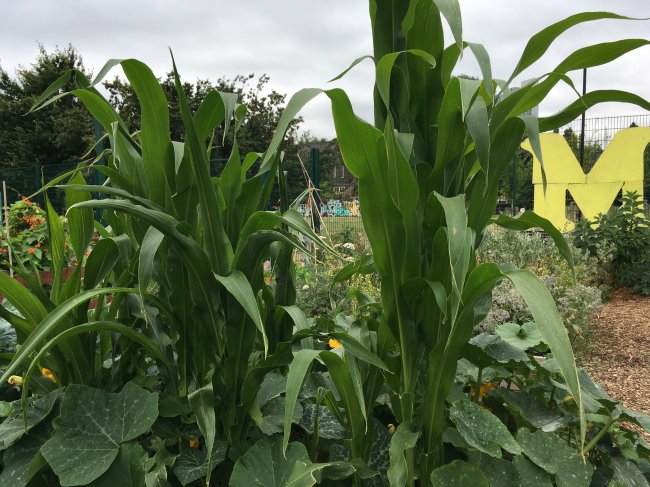
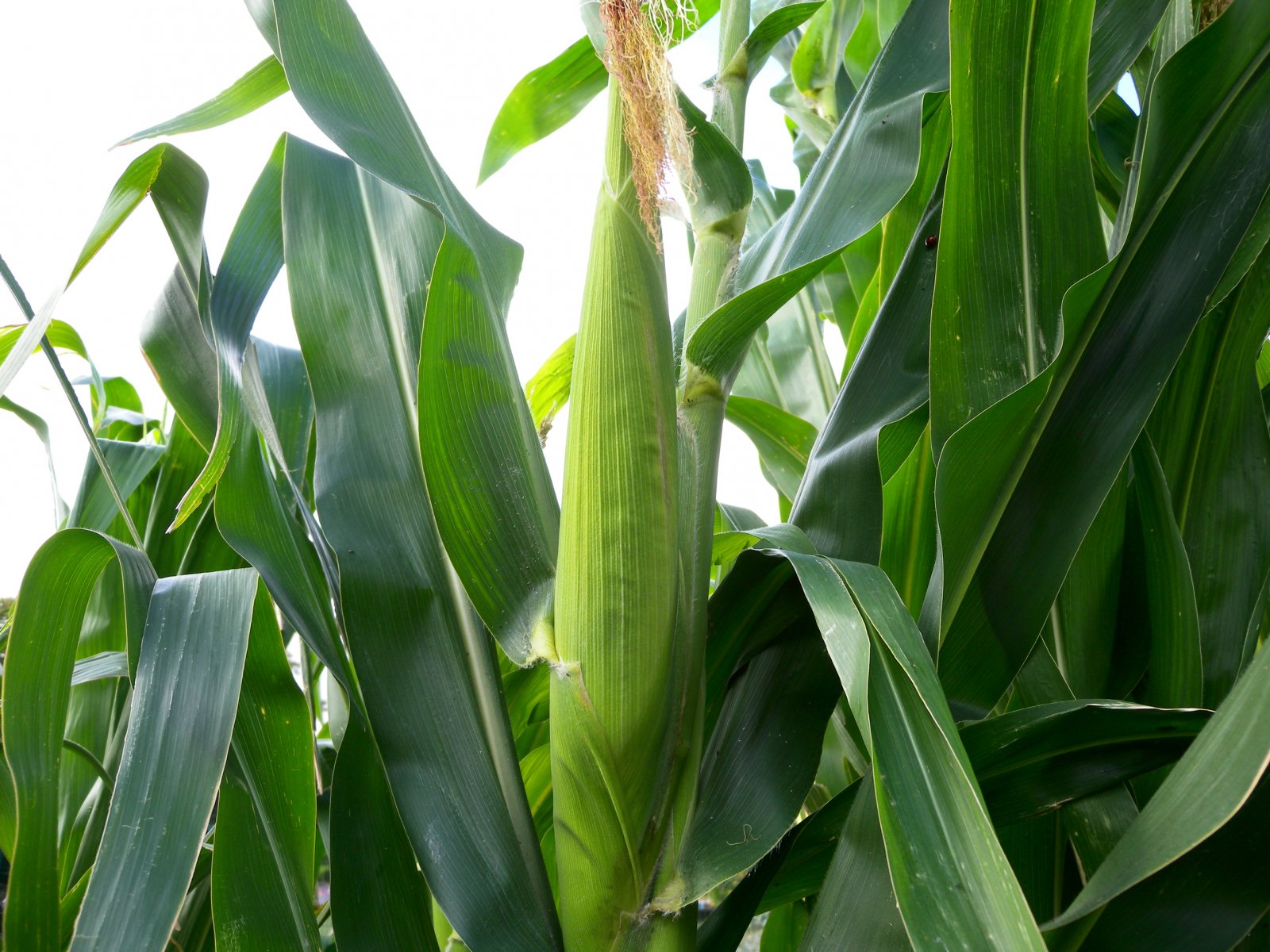
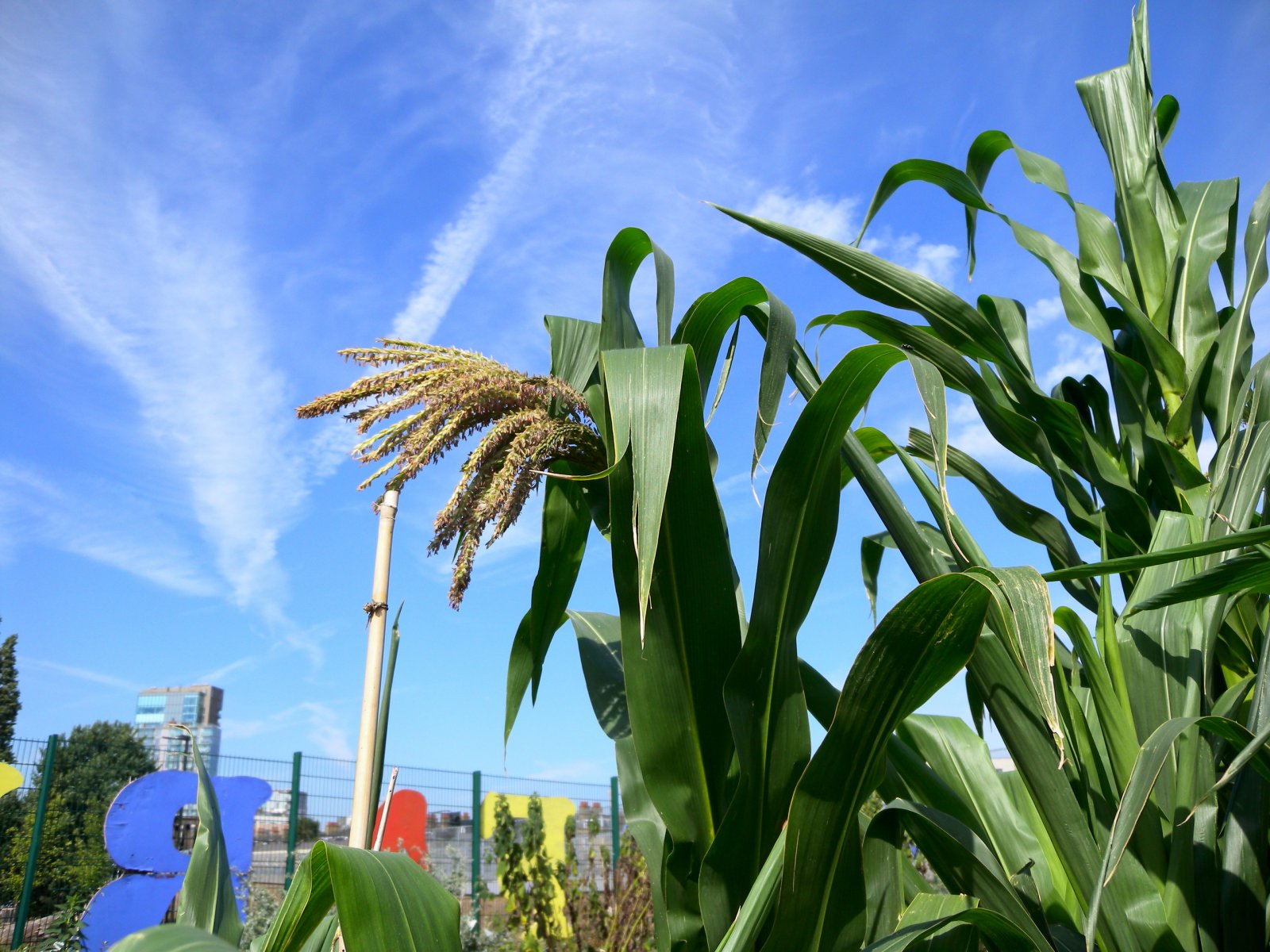
Maize

Maize. Photo: Sara Heitlinger

Info

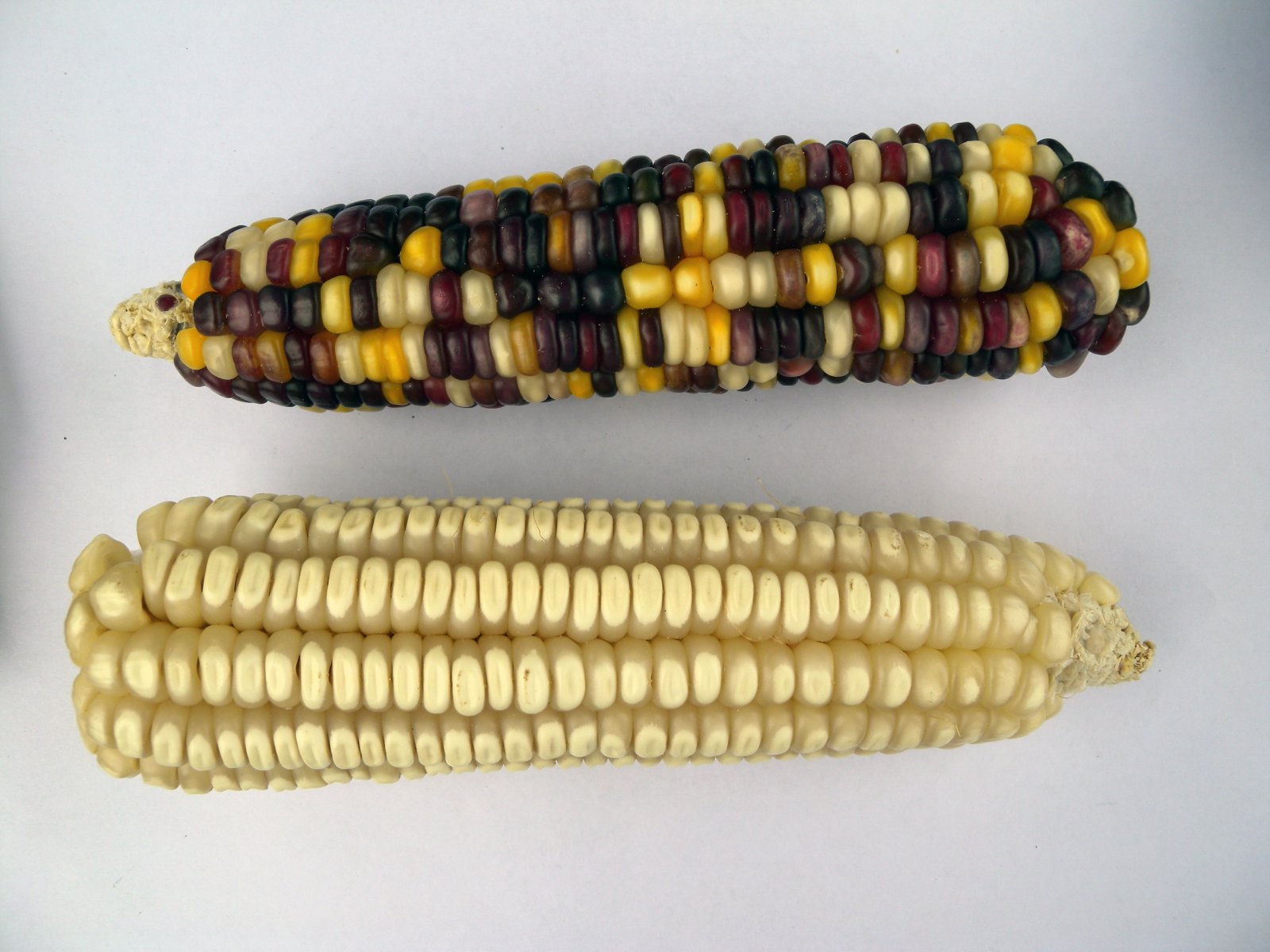
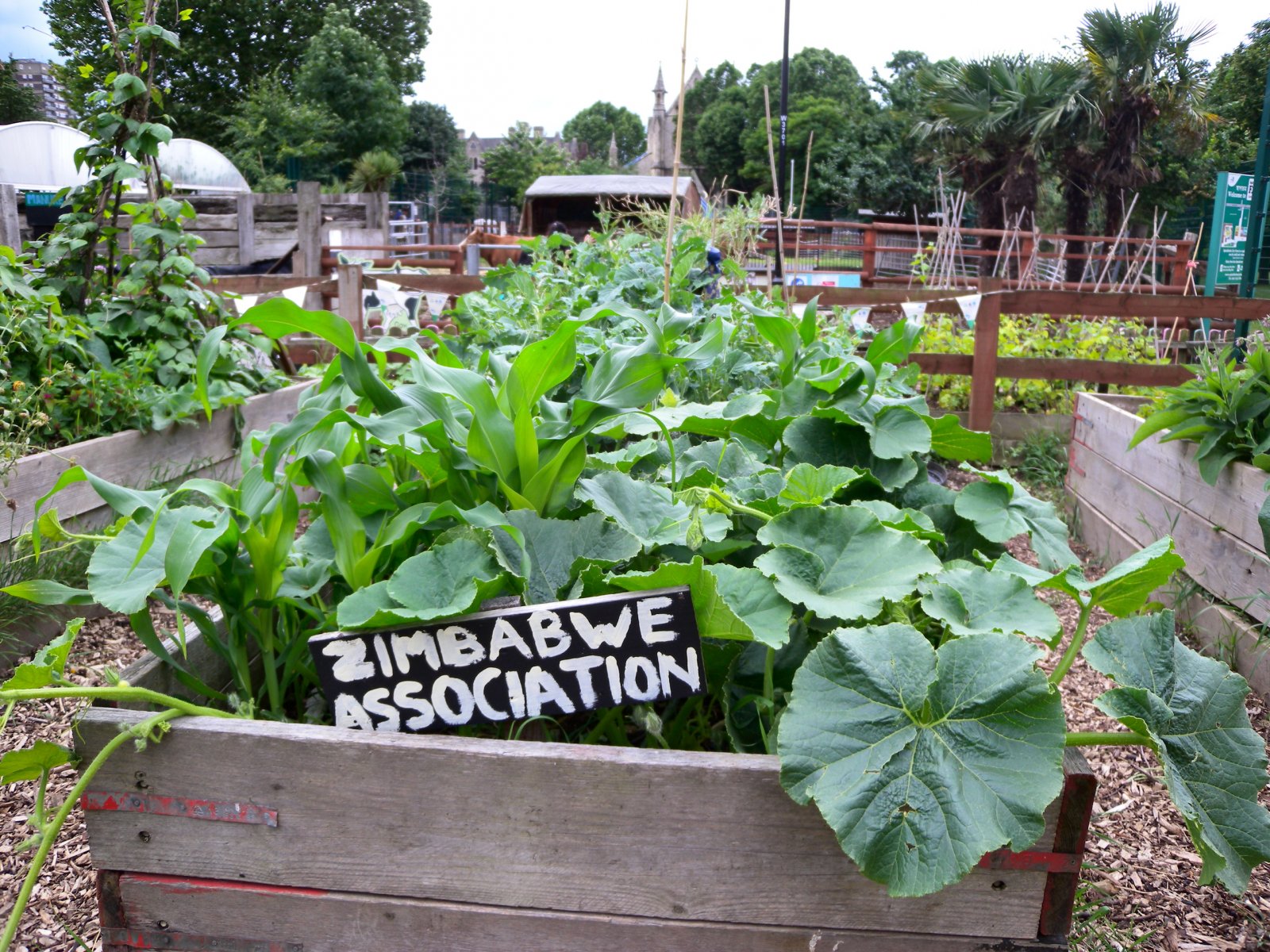
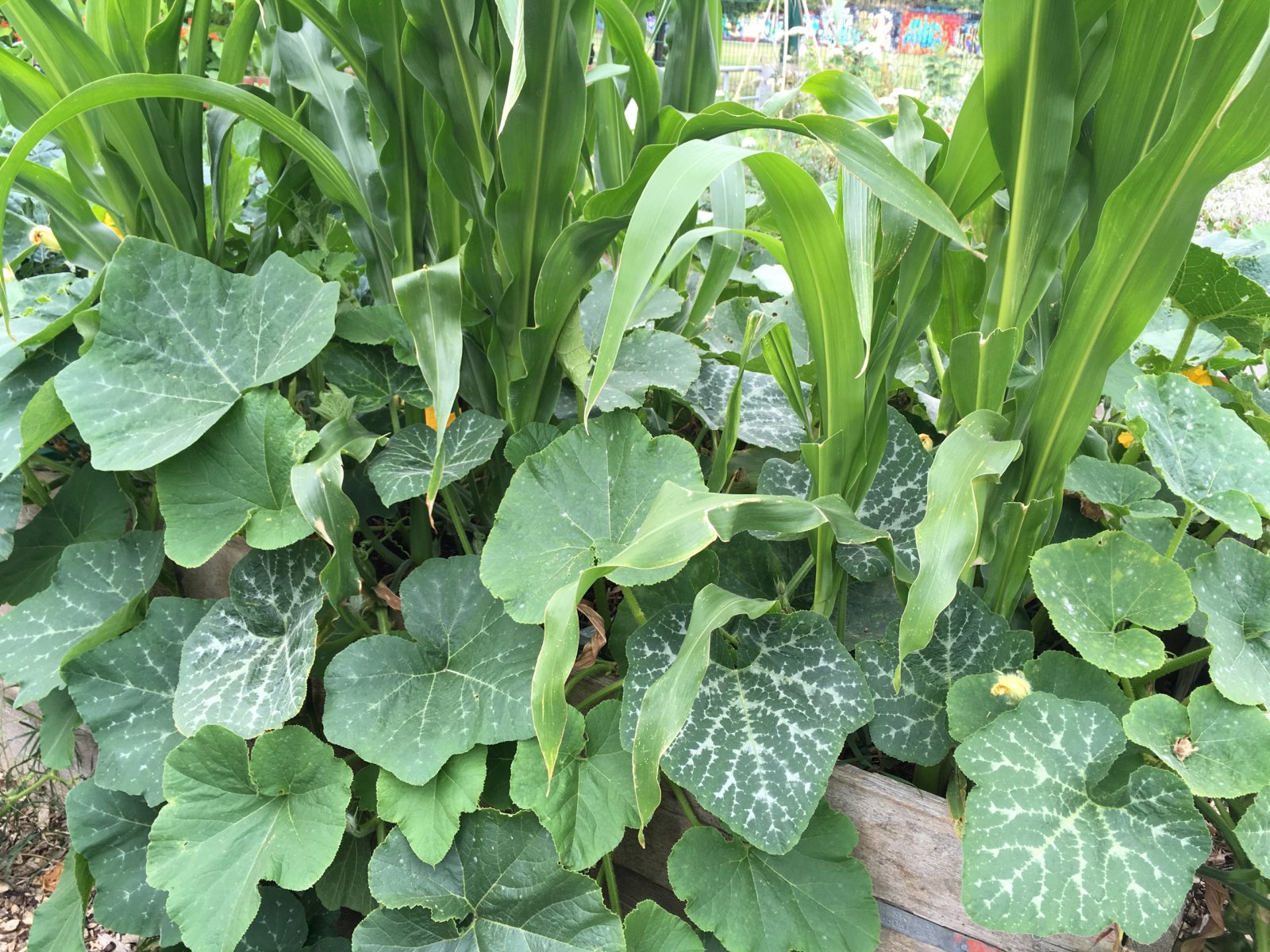
Maize, of which sweetcorn is just one variety, was first cultivated 10,000 years ago in Central America. Maize used in Zimbabwean and Afro-Caribbean cuisine is a white-coloured, hard-textured grain, which is made into flour and...
More

Where the seeds came from?
A friend brought this corn from Zimbabwe. She had about three cobs and she dried them and she gave to others. But now what we have noticed is that the corn is not the same as our Zimbabwe corn which has big white seeds. These are a bit smaller and a bit yellowish. So now we are growing that one because it’s good here. It came to be a different corn but the taste is still the same, it’s not like sweetcorn.

How to grow
When there was a little shoot we put them in pots with manure, and when they were about two or three inches, with two leaves, then we brought them to the farm to plant. Half we planted first in a pot, and the others we just put a hole in the soil, and we put two seeds in there. After two, three weeks they were out.

Basilia on Zimbabwean Maize

Runner Beans

Lisa's runner beans. Photo: Lisa Lueaffat

Info

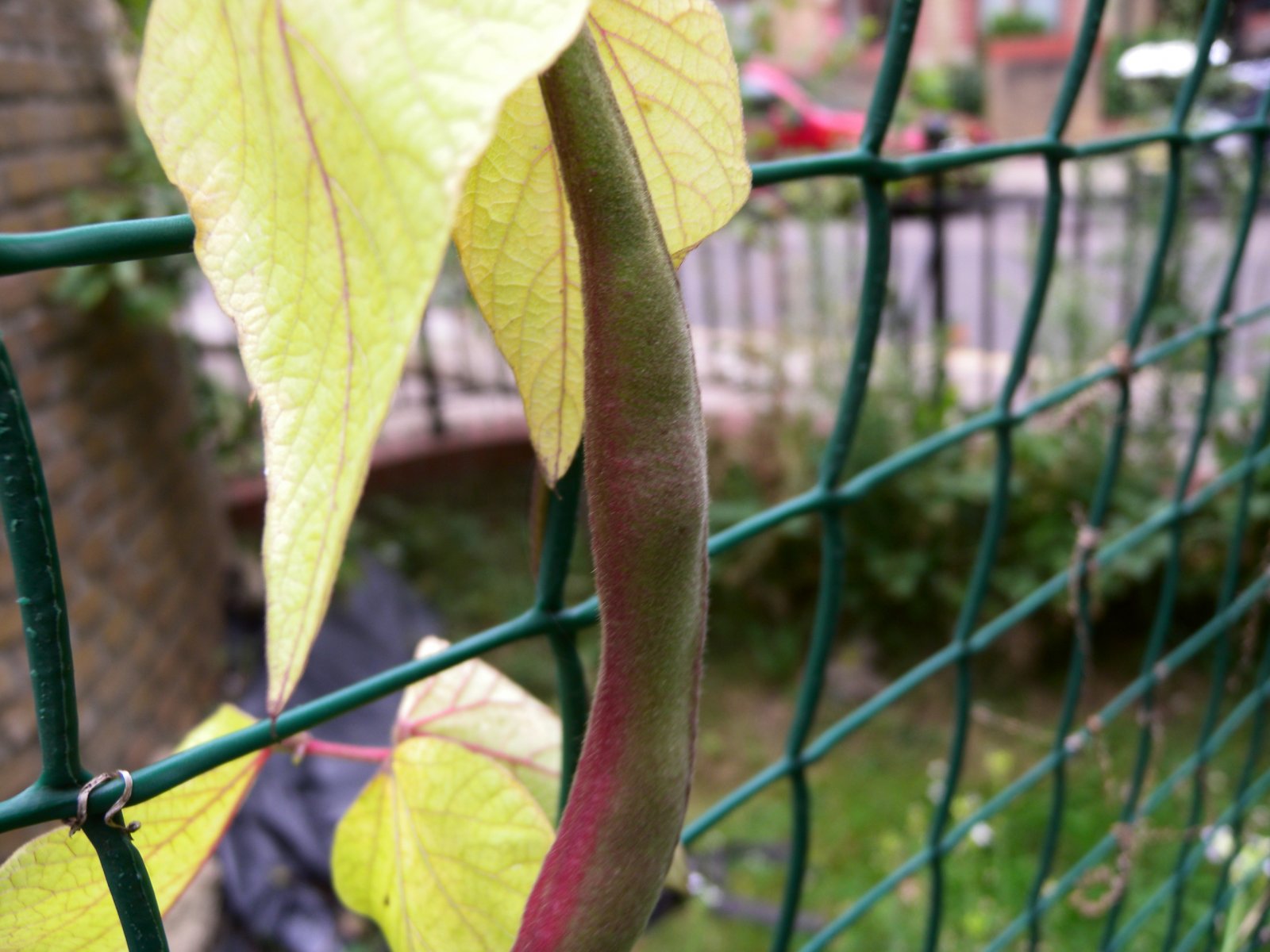
Runner beans are one of the easiest vegetables to grow. They need a support to climb up and well-watered soil. Sow indoors late April to May, outdoors May to June. Provide a support for the...
More

Where the seeds came from?
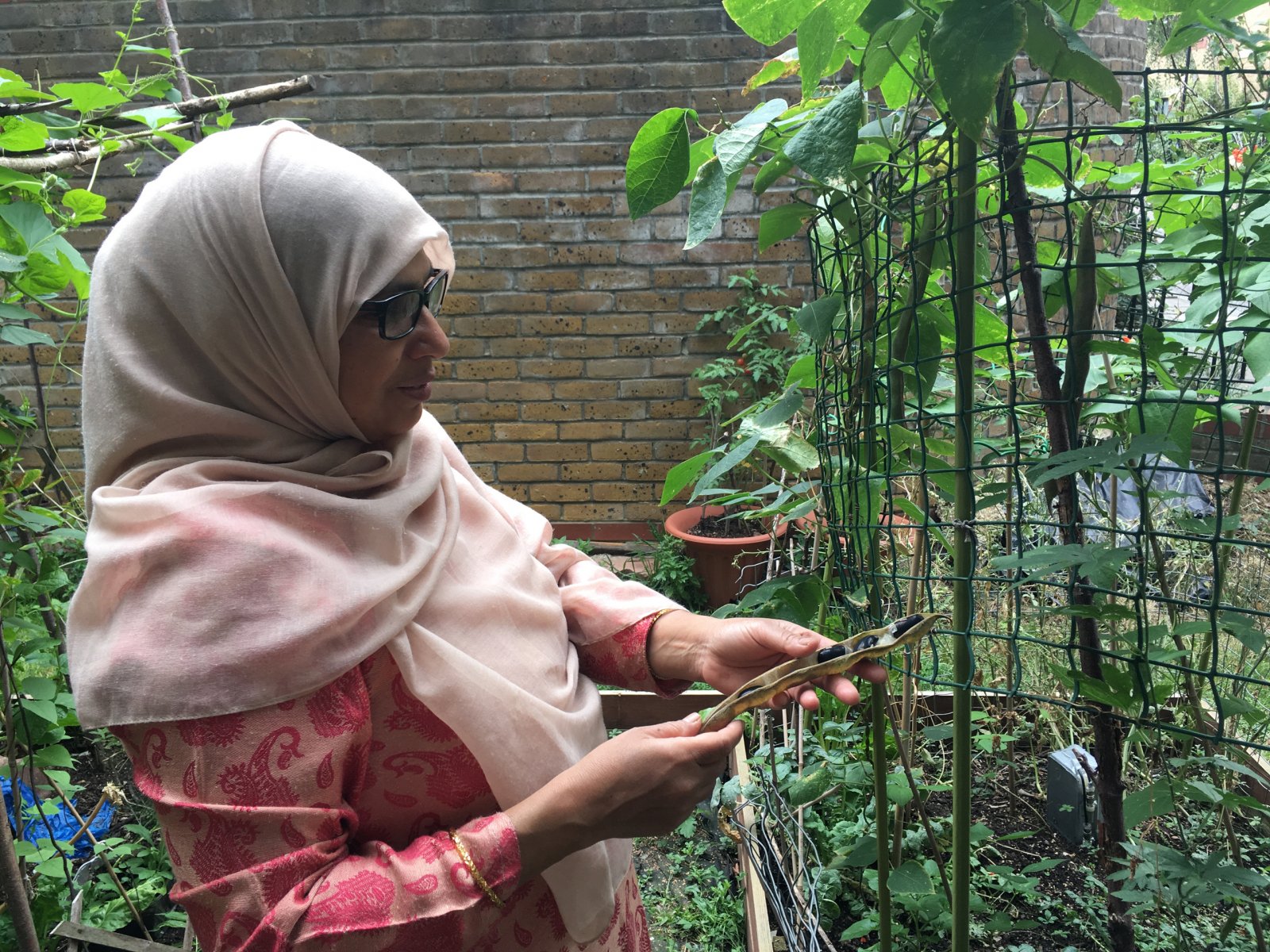
Katherine from Spitalfields Farm gave me this bean when I first started gardening, and I saved them each year. This is the fourth year. I love these runner beans, they’re my favourite. They grow quickly and it’s very easy to harvest the seeds.

How to grow it?
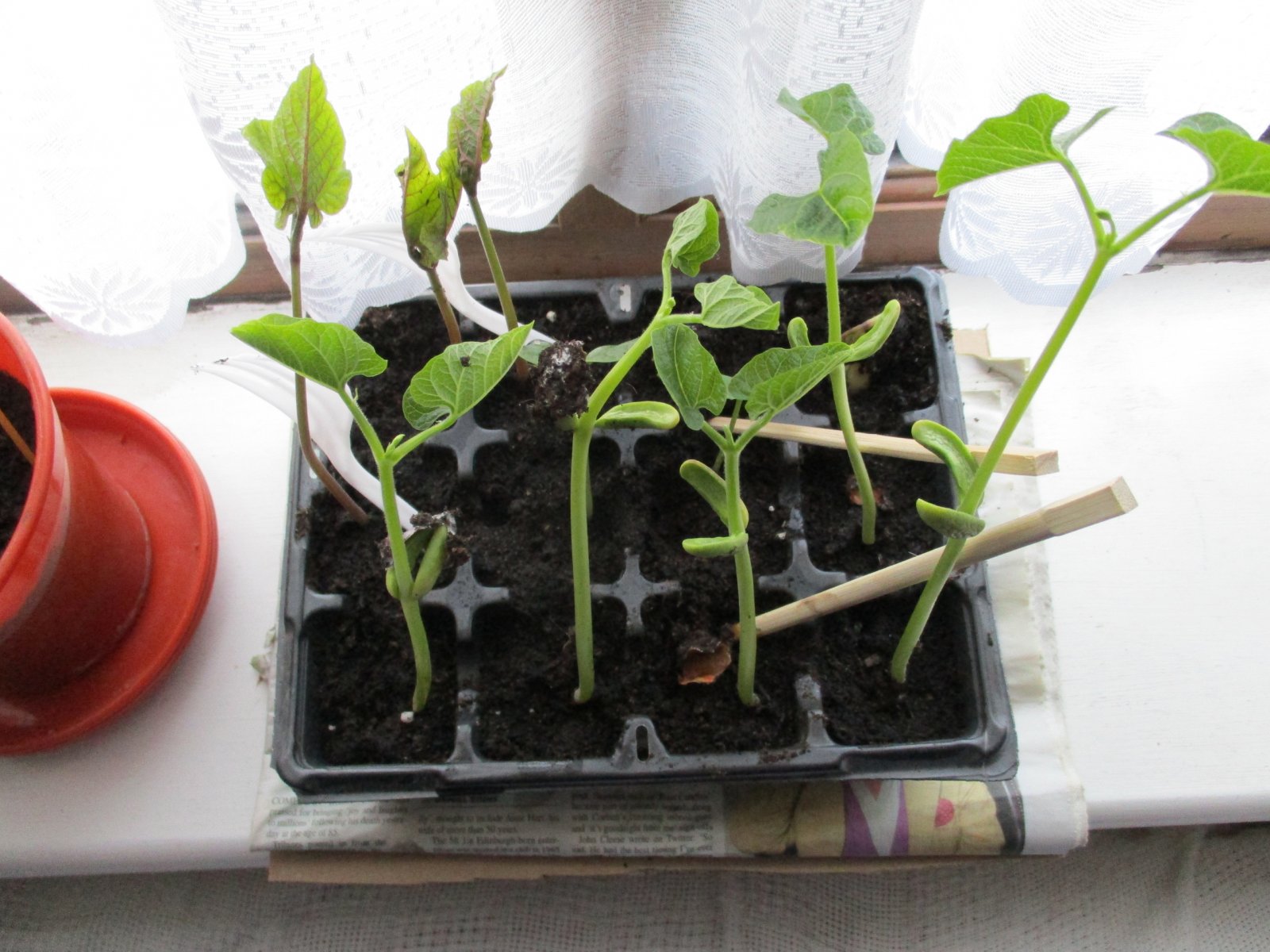
I grow it first inside the home. I put it in compost, and after 3-4 days it starts growing. Then, once it’s grown a little, if the weather is good, I plant it in the soil. It gives so many beans. It’s not hard work, it just needs water every couple of days.

Challenges
This year is not a good year. Every year I get a large plant and many beans. But this year has not been good. Ants have attacked this plant, and snails and slugs.

Anwara on Runner Beans

Recipe
I cook it with meat or fish. I fry it with onion, chili, coriander leaf. It’s very nice. I love this. My family, my children love this.
My Story

Halema. Photo: Sara

About

Halema Begum, Seed Guardian, Selby Street Gardening Club

My name is Halema Begum and I live in Selby Street. I’ve lived in this country more than 25 years. I came from Bangladesh. I’m the mother of three children, I have two daughters and one boy, and I love to do gardening!

Why I grow my own food
It’s like joy! It’s your own products that you are eating, and you know there are no chemicals, you just grow organically. Organic food at the supermarket is really expensive. So even if I grow a little bit in my garden, at least I have some of my own produce here.

Why I save seeds
People can buy seeds from shops but I like to save and grow from my own seeds. I want to see then how they grow again.
And then more vegetables come and I save again. Because this is the way my mother and grandmother did it. They always saved their own seeds. They never bought from shops or anywhere. I think it’s a good idea, because you know your own seeds, how to grow them, what kind of soil they need, and from experience, you know the best way to do it.

Connection between growing and my heritage
In Bangladesh I was born and brought up in a village. I used to see the other people do farming. My grandfather, he loved to do farming. So I saw how he grew rice and beans. My mum and my grandma were always growing in the house. We had a big yard so they grow their kodu and beans. I didn’t join in when I was little but I saw the way they were growing vegetables. That’s why I love to do it.

Hear from Halema

How I feel when I work in the garden
I feel so happy and so relaxed. It’s like I’m in my own world. I’m digging and looking. And sometimes other people, our neighbours, they just come and give me advice or they just talk to me about themselves, their problems, and I’m just listening and doing my own work. It’s really nice.
Purslane

Info

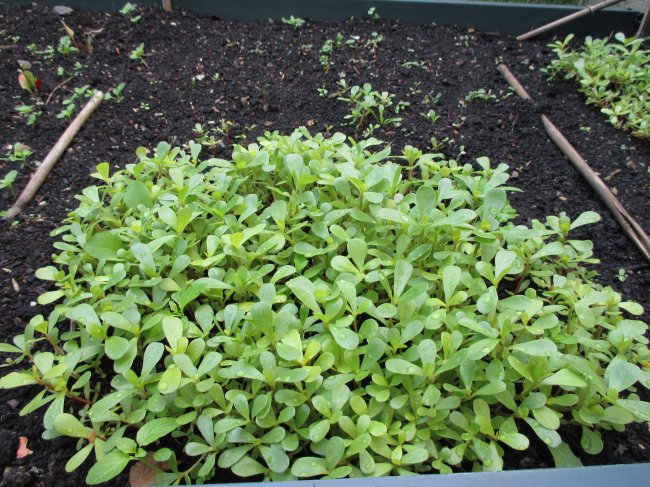
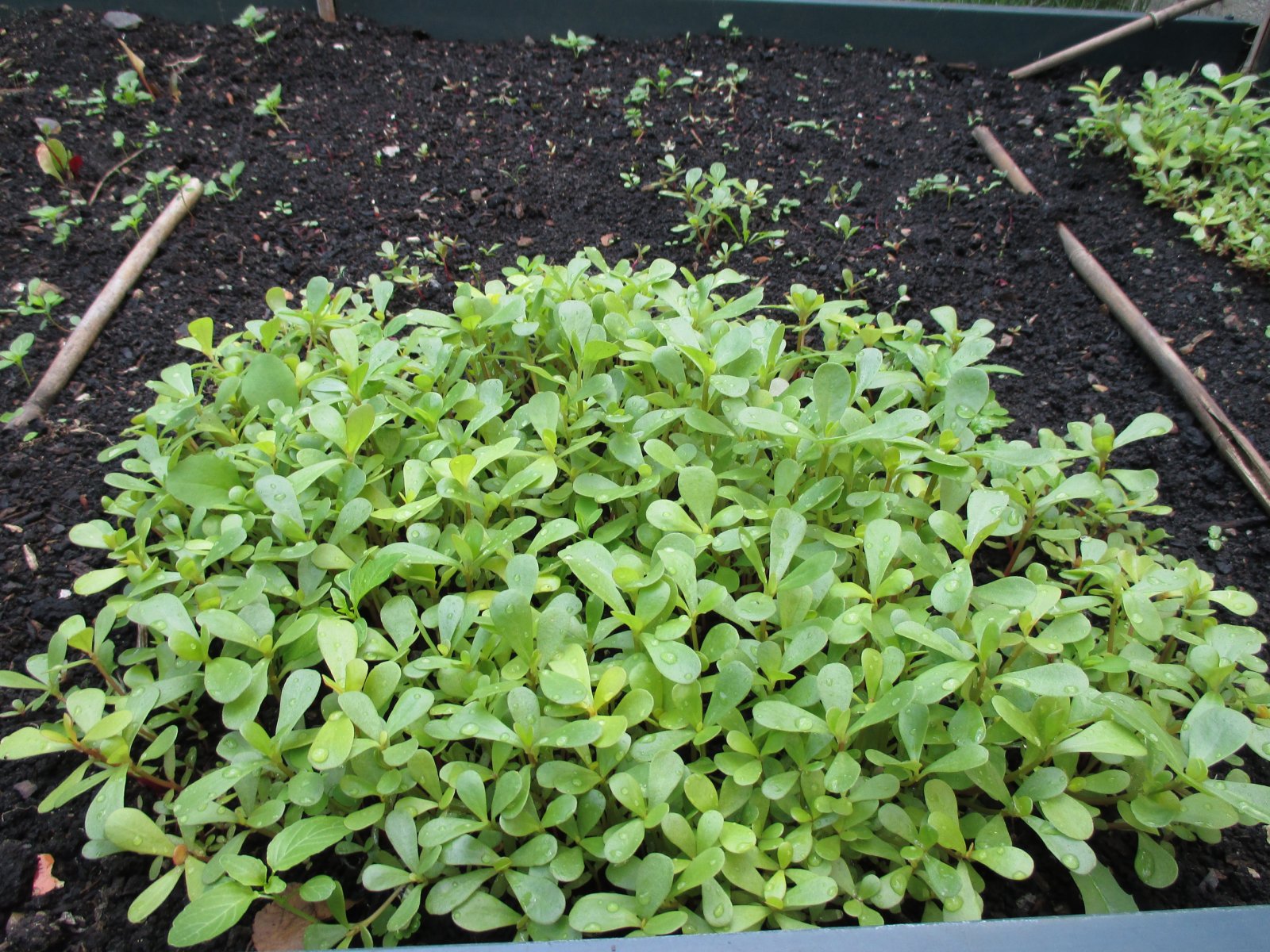
Purslane is used widely in Mediterranean countries, throughout Europe, the Middle East, Asia and Mexico. The stems, leaves and flower buds are all edible. Purslane may be used fresh as a salad, stir-fried, or cooked...
More

Where the seeds came from
I got the seeds from Turkey.

How to grow
This is a warmer climate plant, therefore it’s better to wait until May to sow outside. Or maybe even later, to make sure that the soil and the weather is warm enough for germination. Prepare a good seed bed and then sow it. I never started inside
or in a seed tray. I directly broadcast the seeds, that’s my way. They are not fussy. Within six weeks you can start picking.

Challenges
I found the germination a bit erratic. In some parts it worked, in some parts it didn’t germinate.

Ahmet on Purslane

How to save seeds
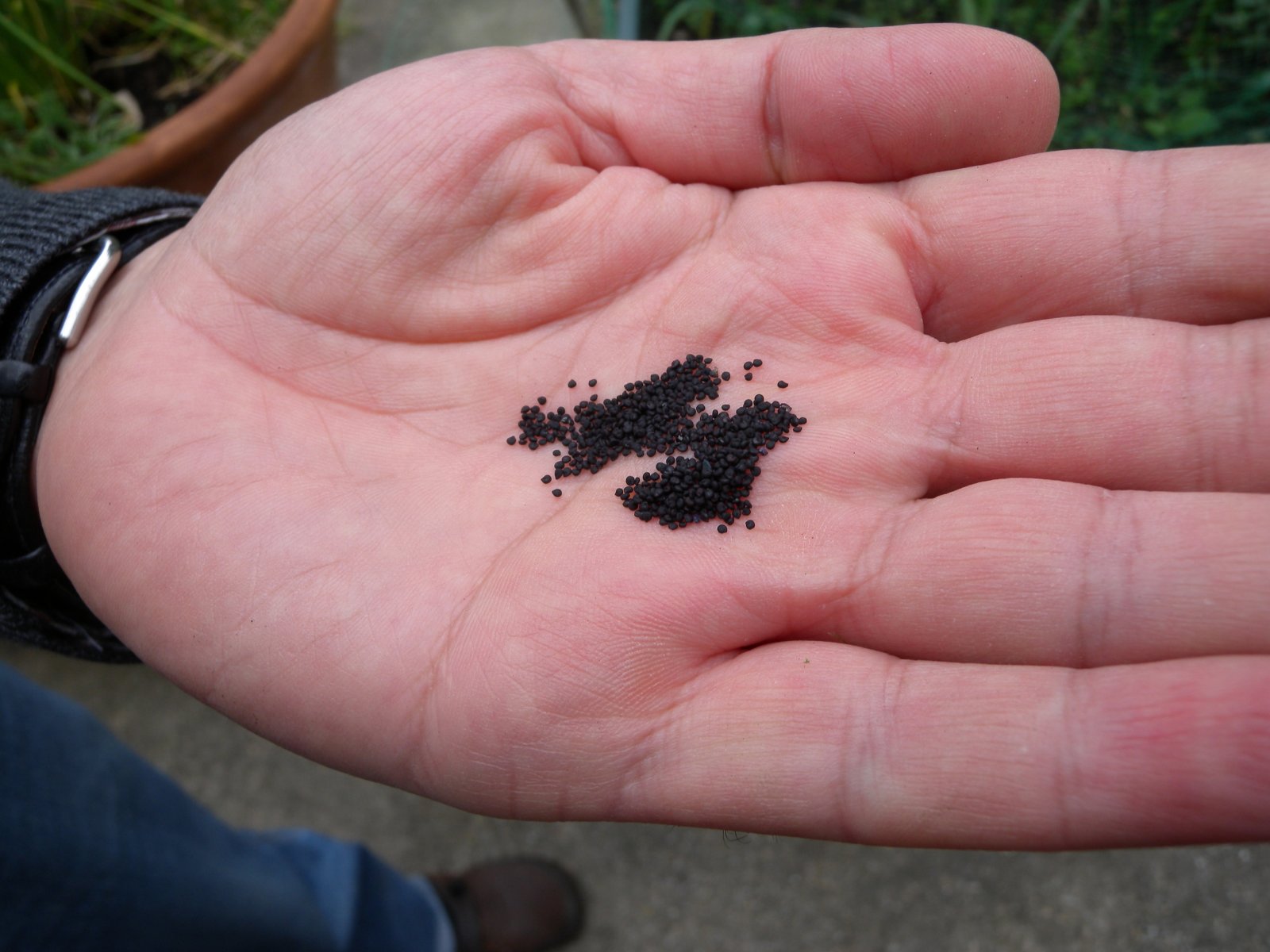
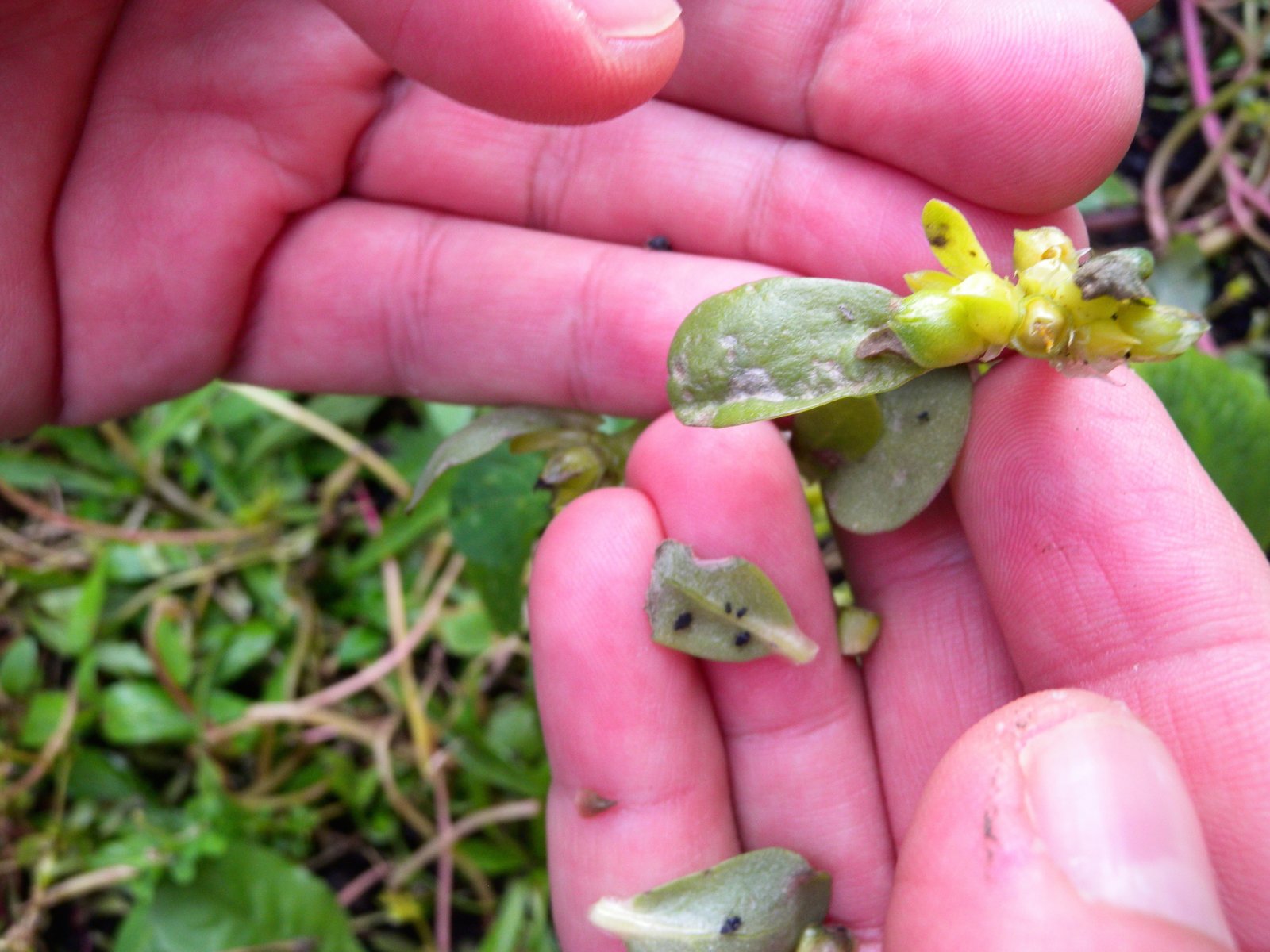
Towards the end of the season you can get seeds. Collecting is easy. They are actually in the tip of the plant, the cluster of very tiny black seeds. Actually you feel them because they start to open up, the seed pods, and there are many small black seeds. Then just bring an envelope and gently touch the seed head, and they will fall. Somewhere in Turkey they call purslane “seed thrower”, because the black seeds throw themselves onto the soil. And the next year you may find some plants, as they can germinate from there.

Recipe
Take some purslane, wash it and then add yoghurt, garlic, virgin olive oil, a little bit of salt. That’s it, that’s one recipe. And the other is grating some tomato into the purslane, add vinegar and garlic. That’s another quick recipe. They are different but both delicious. Purslane is a bit fleshy. It doesn’t have a kind of distinct flavour, but maybe this fleshiness gives it some sort of substance.

Coriander

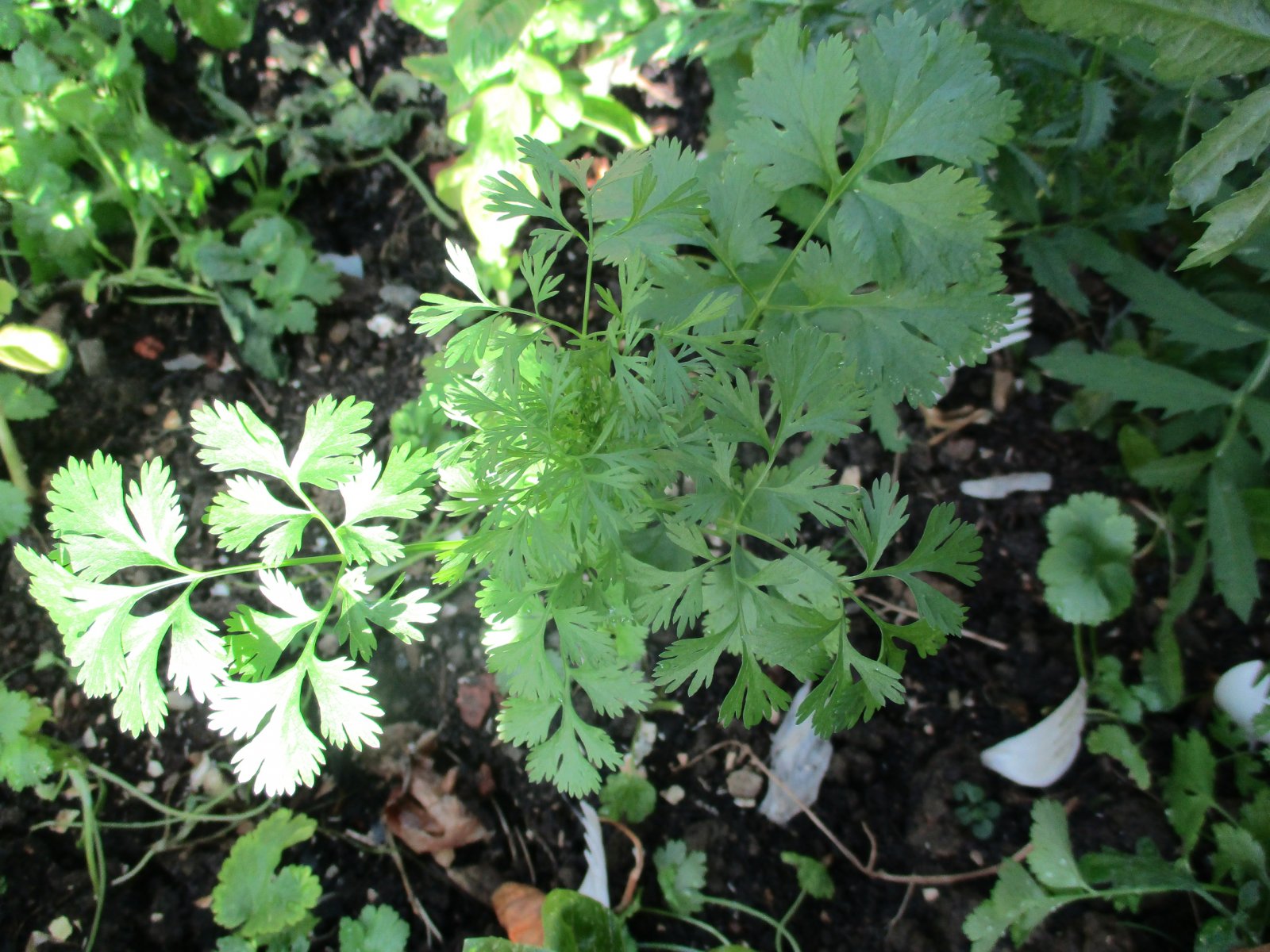
Halema's coriander. Photo: Halema Begum

Info

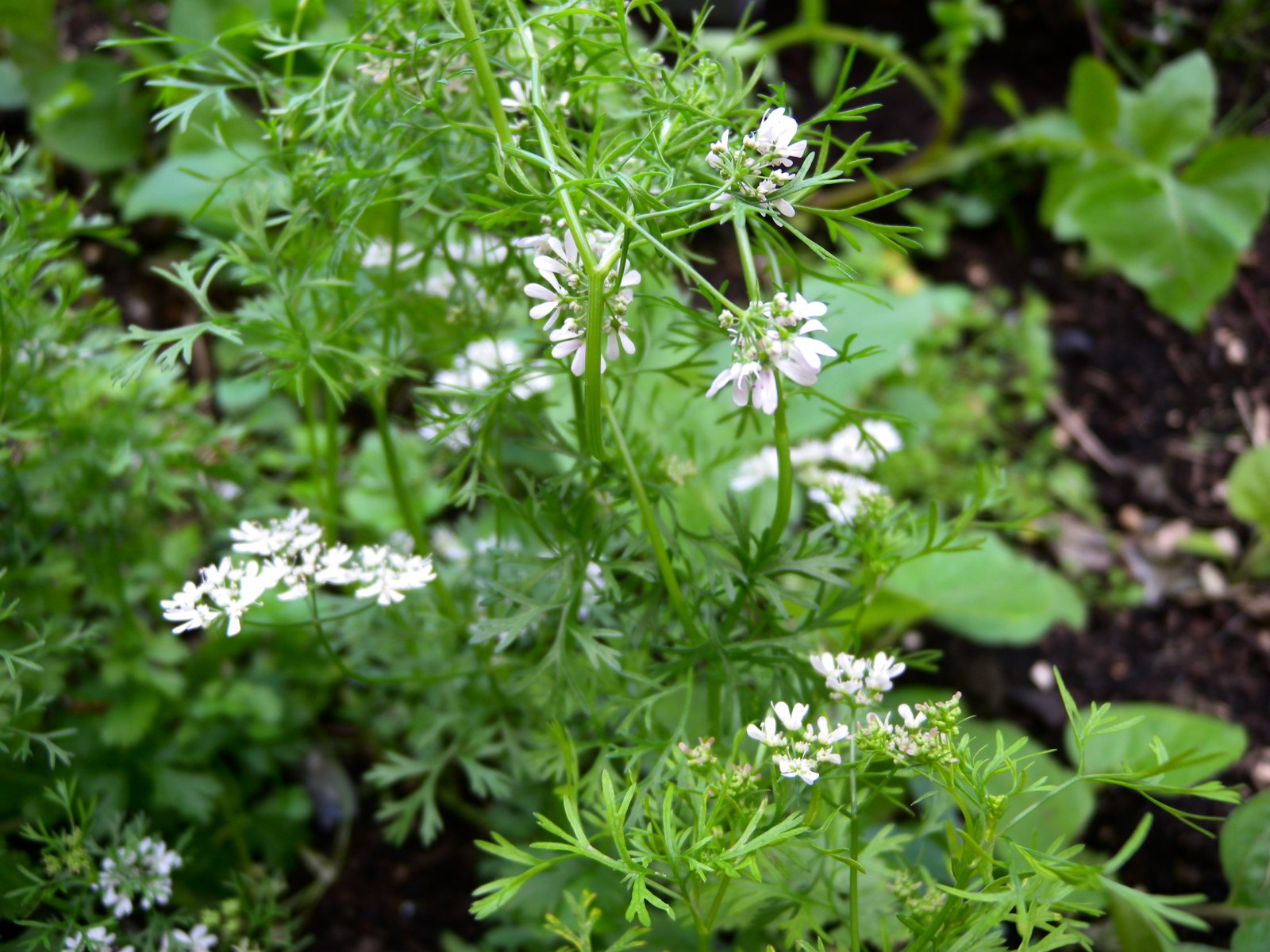
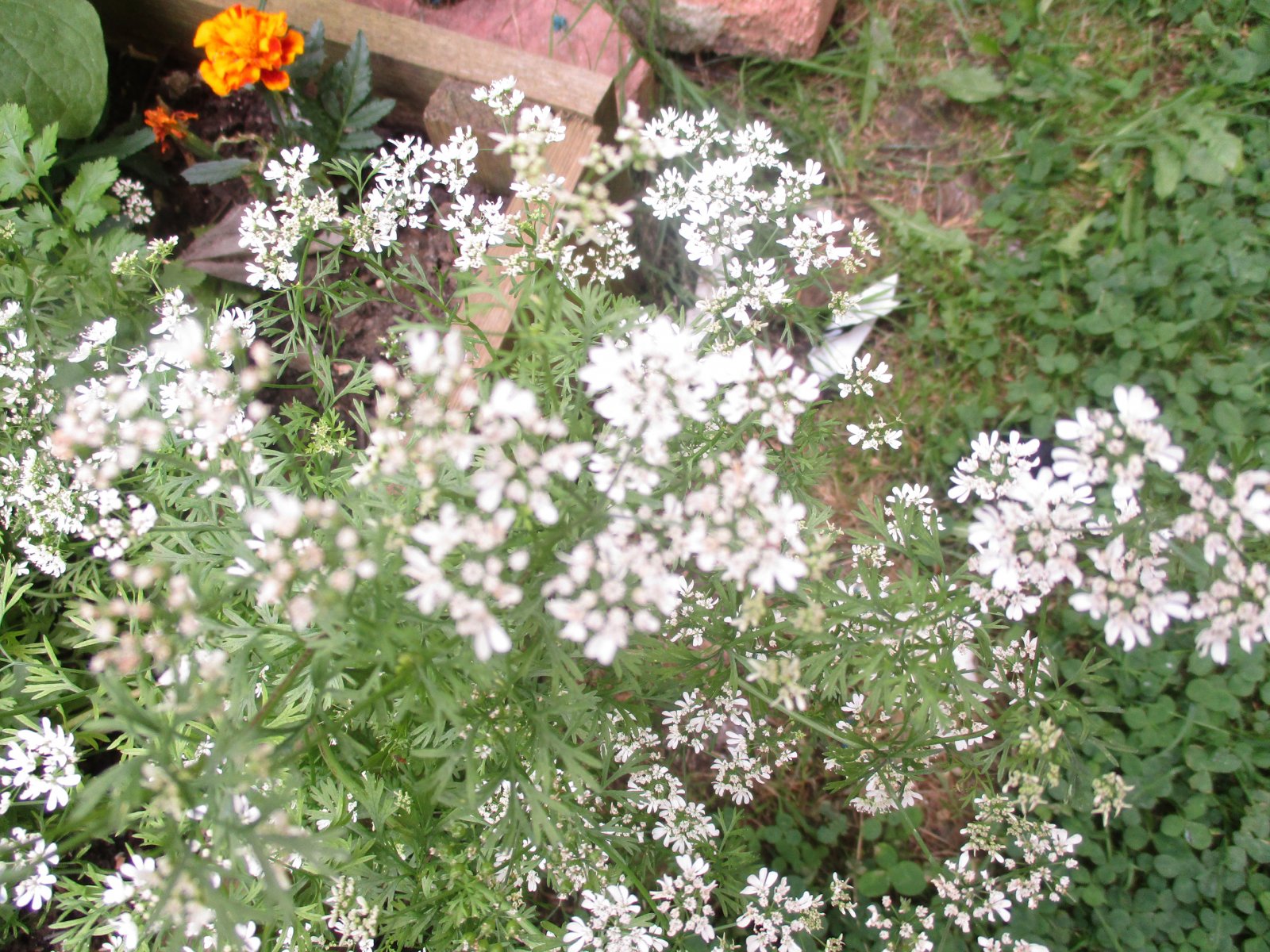
Coriander is a Middle Eastern and Asiatic herb. As it is quite expensive to buy as a green leaf and doesn’t keep well, it makes sense to grow this crop so that you can use...
More

Where the seeds came from
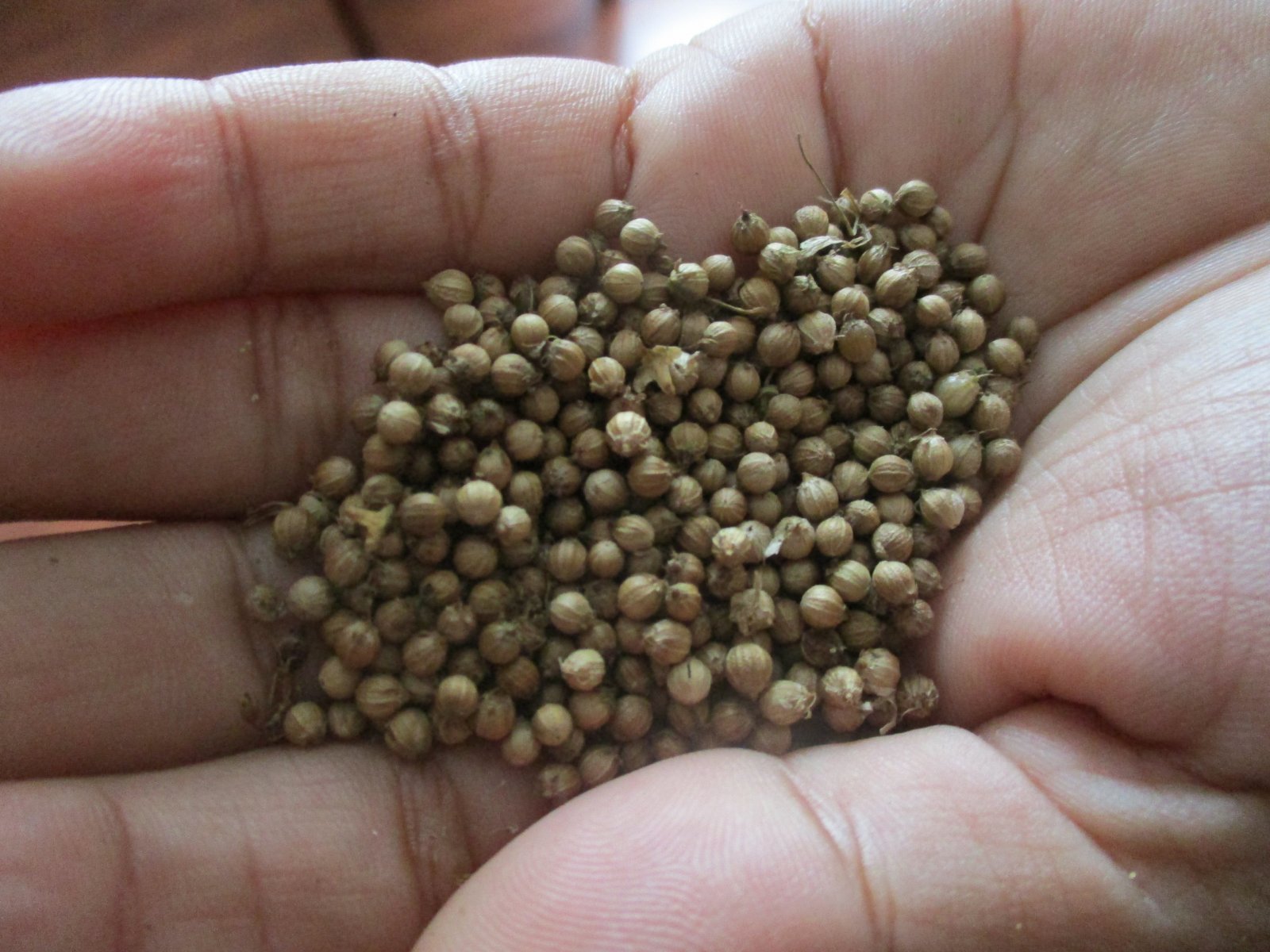
My coriander seed originally from Katherine from the farm 3 or 4 years ago, and since then every year I have saved my seed.

How to grow
I just dig to prepare the soil and then put the coriander seed in and cover with another layer of soil. If you sow your seeds in July or August you can eat the leaves until December. They like hot, summery conditions. But they grow well in winter too. They are more scented in summer time.

Tips and challenges
Slugs and snails are the main problem. I put egg shell around my plant to stop them from going near. I also pick them up with my hands and throw them away. Same with the caterpillars.
More

Halema on Coriander

Achocha and Potol

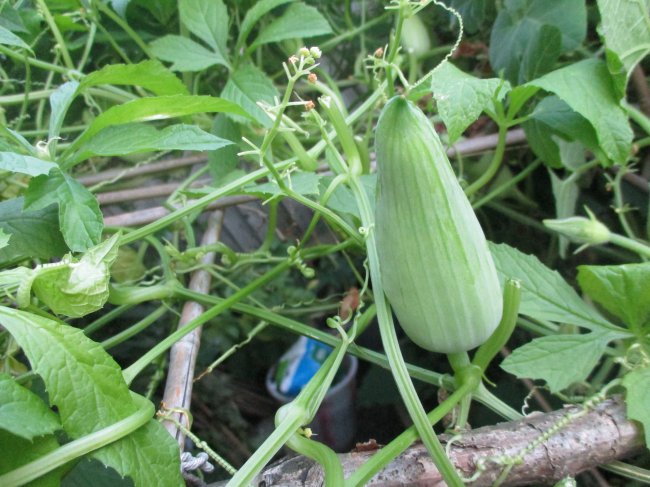
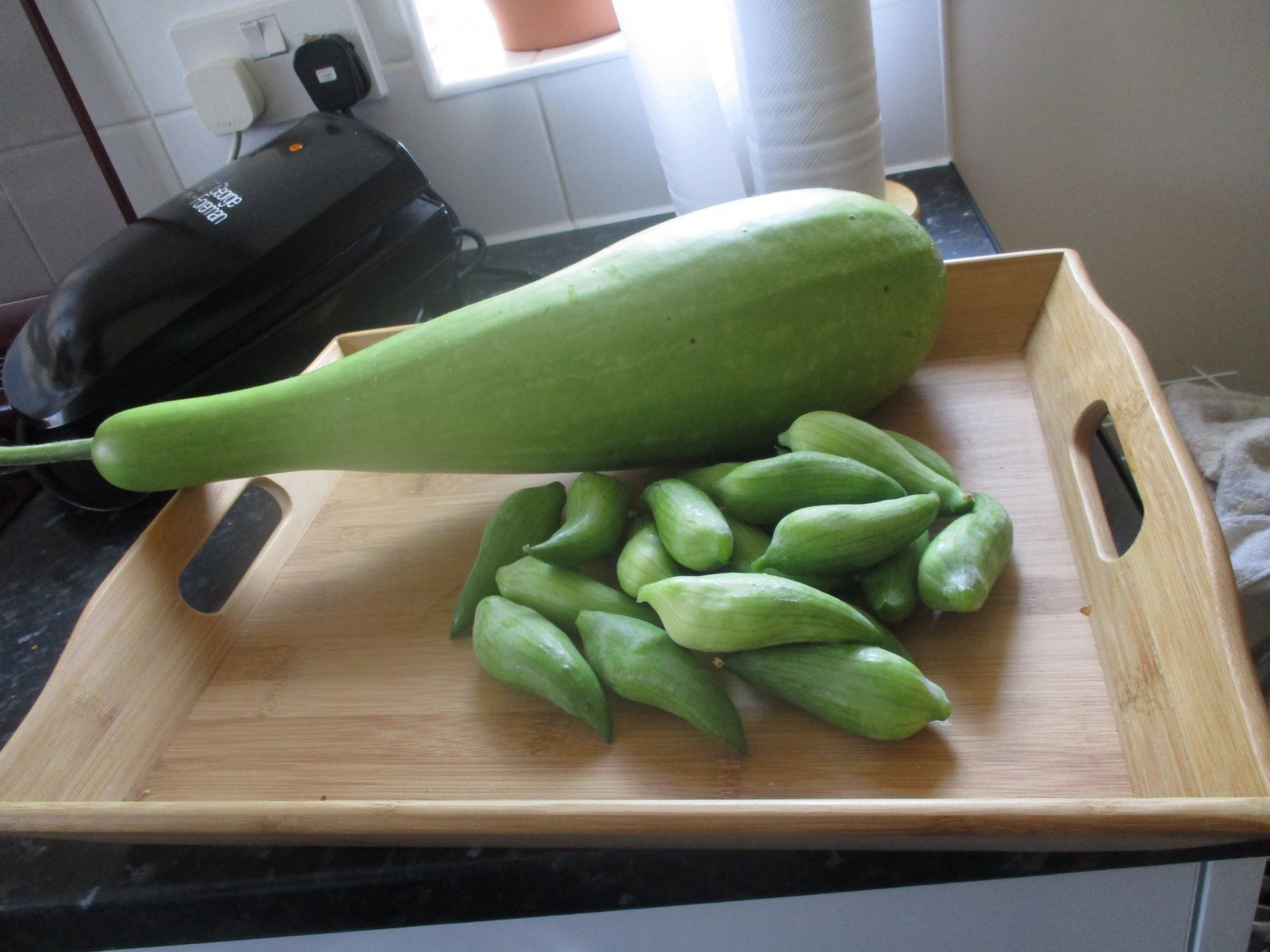
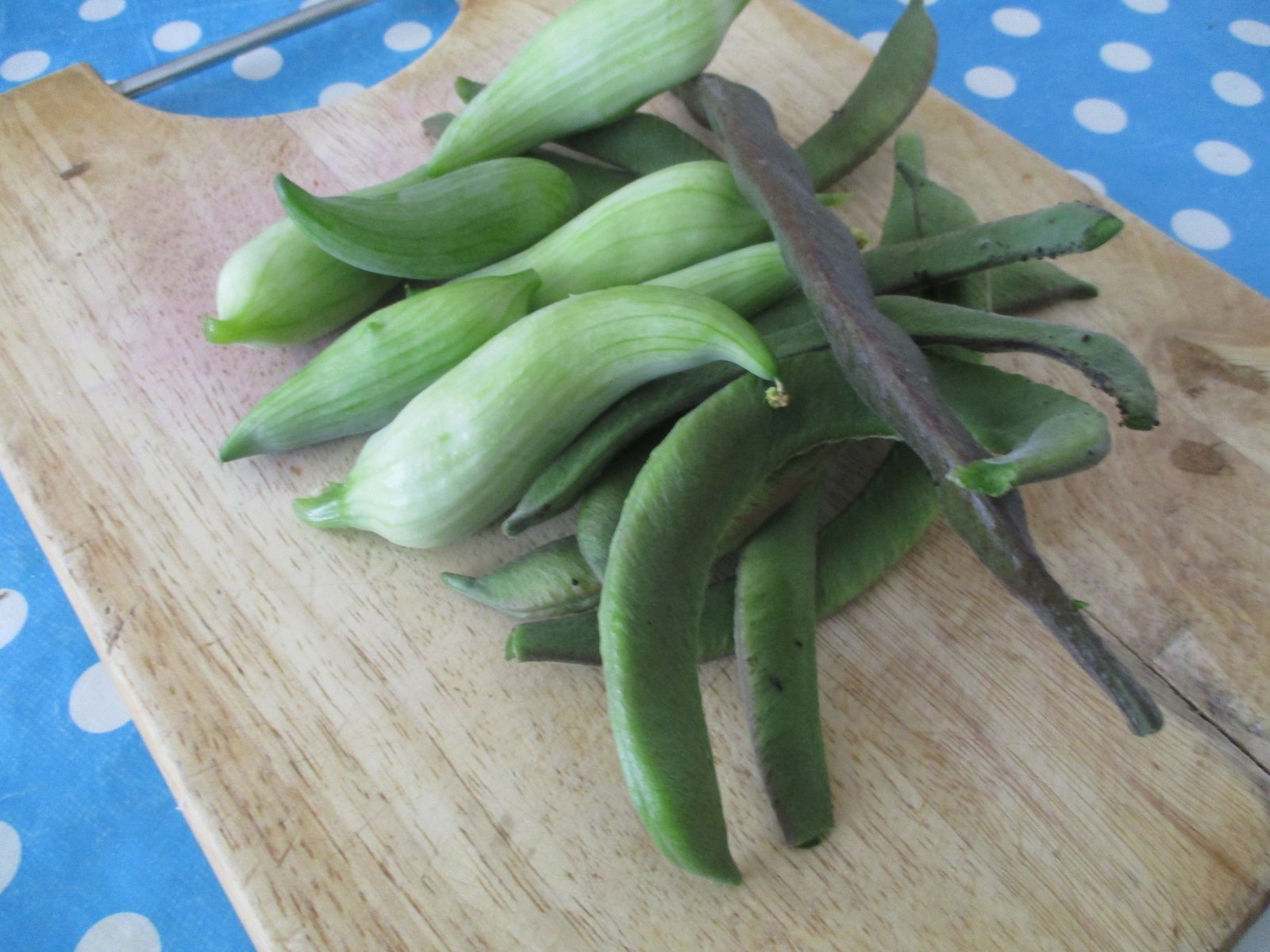
Achocha / potol. Photo: Fatema Khanom

Info

Achocha (sometimes called potol) was a originally grown by the Incas in South America. It is a member of the Curcubit family of plants, that includes squash and cucumbers. In a good year, this plant...
More

Why did you grow achocha/potol?
I first saw the plant at Spitalfields farm and I didn’t know what it is. I just liked the leaf. So I bought it and put it in my garden. Then I saw the vegetable, and I didn’t know what it was. Once day when I was working in my garden, there were two ladies talking with each other, saying “That is potol” and talking about how nice it tastes. I asked them what it is. They said, “It’s a Chinese vegetable. It tastes really yummy.” They told me how to cook it. That’s is how I learned about potol.

Where did the seeds come from?
I bought the plant as a seedling from Lutfun at Spitalfields farm.
More

Halema on Achocha

Chickpeas

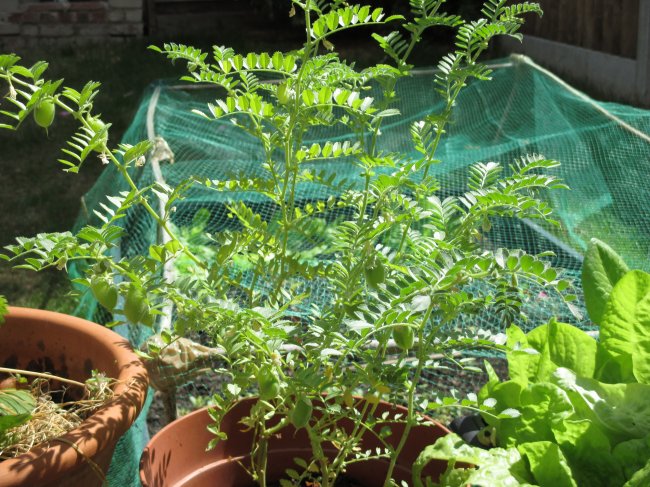
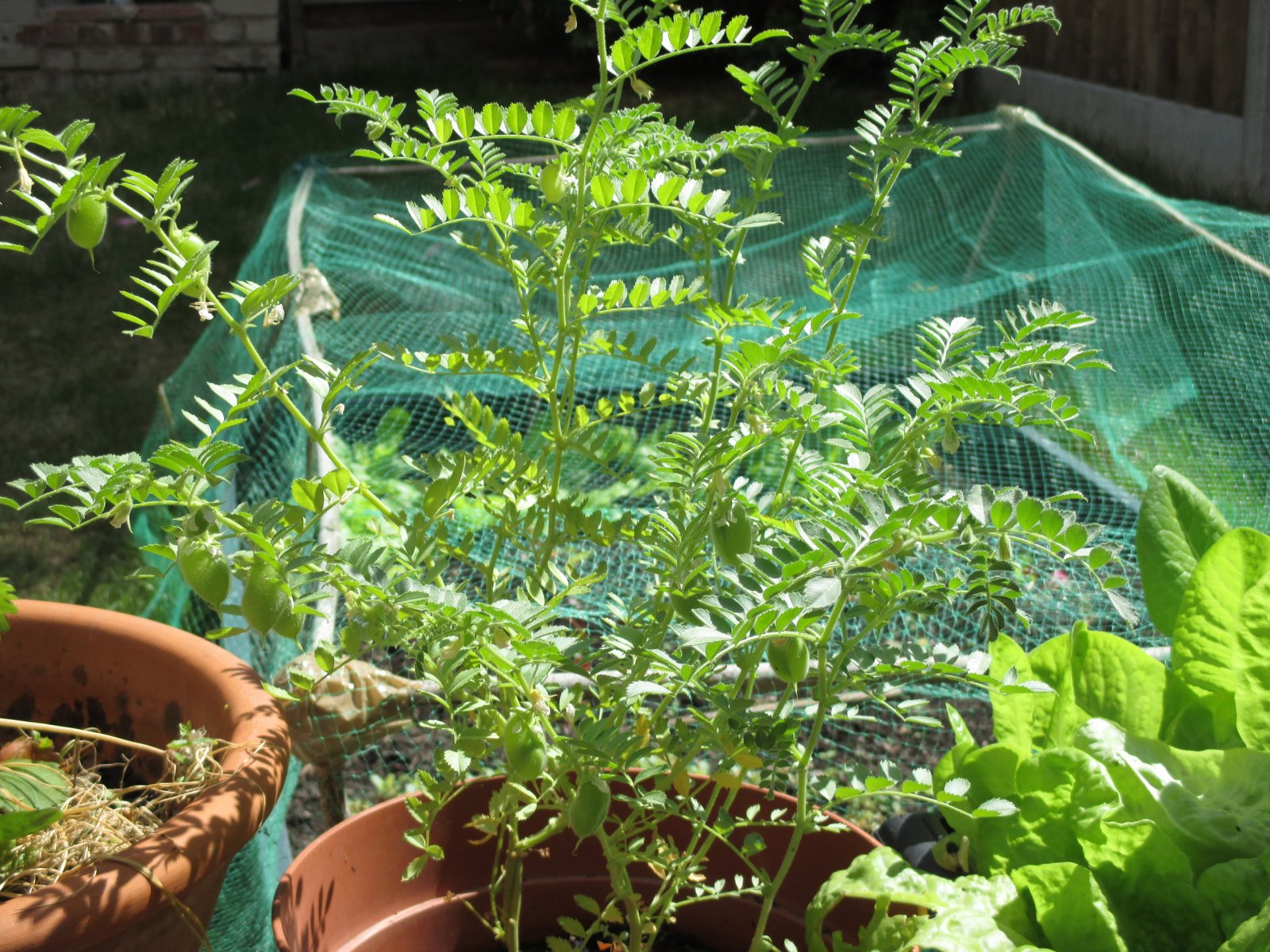
Ahmet's chickpeas. Photo: Ahmet Caglar

Info

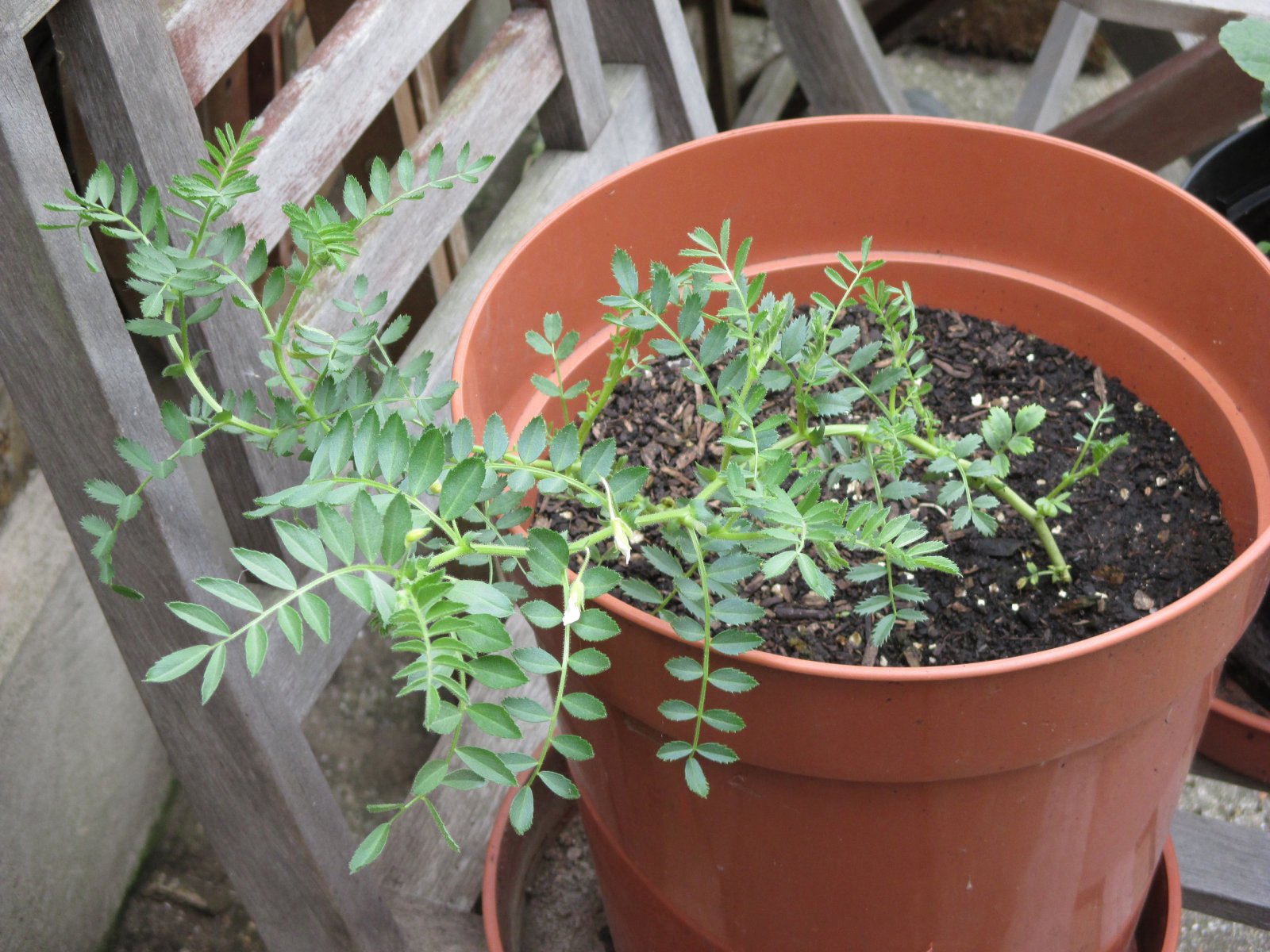
Chickpeas are a new crop to the UK although they have been cultivated for centuries in Asia and the Mediterranean. They are small leaved annual legumes, growing about knee-high, with great drought resistance and freedom...
More

Where the seeds came from
I got seeds from two different seed companies.

How to grow
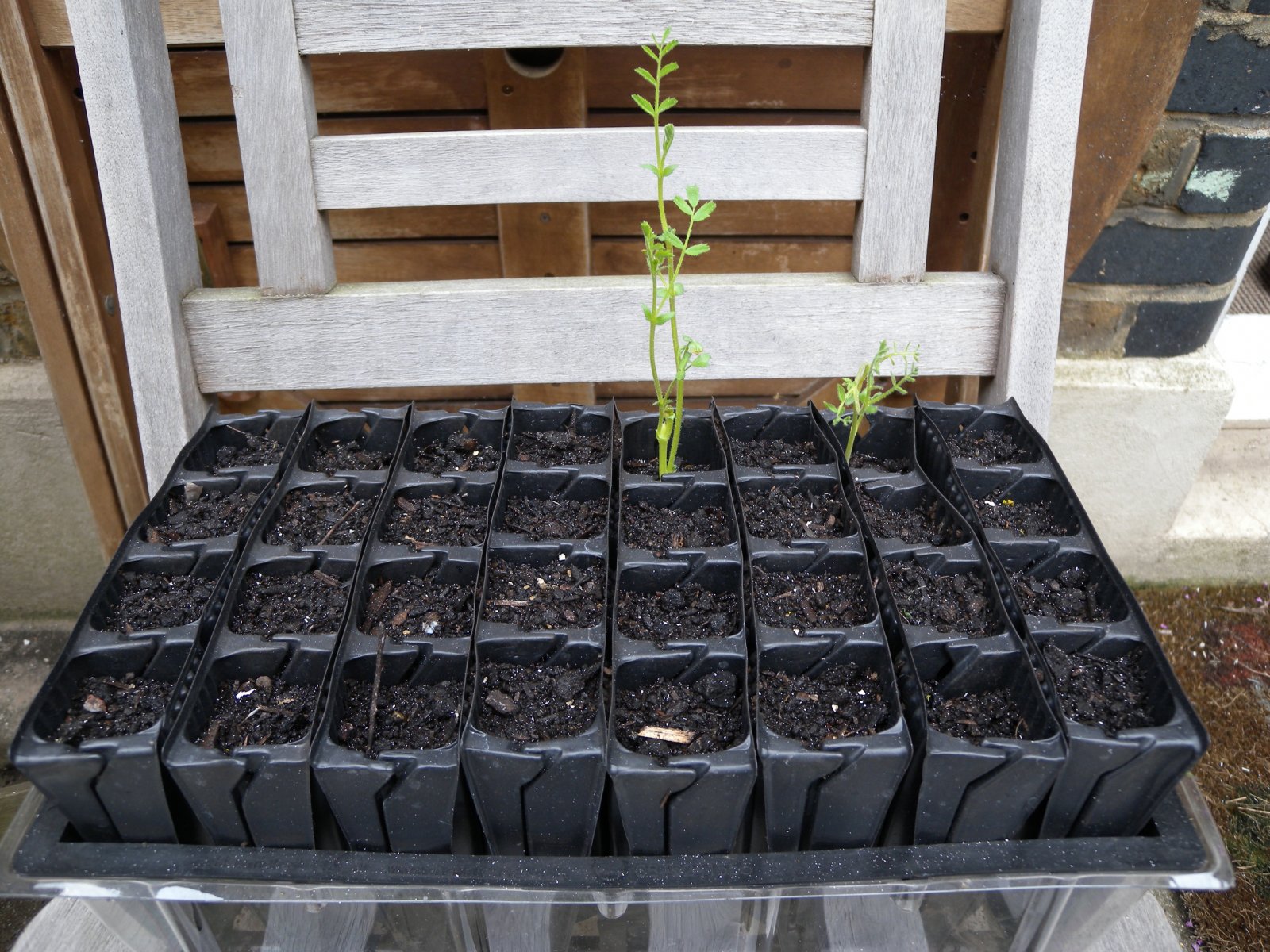
I started indoors, in April or early May, in these root trainers, and I just sowed them in each section. I put the water at the bottom of the trainers and left them indoors. When they germinated and the seedlings grew, I transplanted them outside. Two or three plants germinated.

Tips and challenges
In some places they say it’s not a fussy plant, don’t worry about the soil condition, just sow them. But in other places they say the roots are very fragile, be careful, and that sort of thing. Some places advise using root trainers in order not to disturb the roots. Which I did. But it didn’t work actually. I sowed more than sixty seeds and only two plants came up. I collected only around nine or ten seeds. This is a failure for this crop. But I would like to try again.

Ahmet on Chickpeas

How to save seeds
I just waited for them to dry on the plant. Then when I saw that they were dry enough I collected them. It’s very easy to collect seeds.

Recipe
My intention was to eat them fresh, without cooking. I ate a few green pods. But that’s it. It wasn’t like when I was a child. We would buy a big bunch, and you just ate them like that, and there were plenty. When we cook dried chickpeas we generally boil them. We use them in salads, or we cook them as a separate dish, with some onions and tomato and tomato paste and chili, and then eat with rice or bulgur wheat.

Pumpkin and Squash

Info

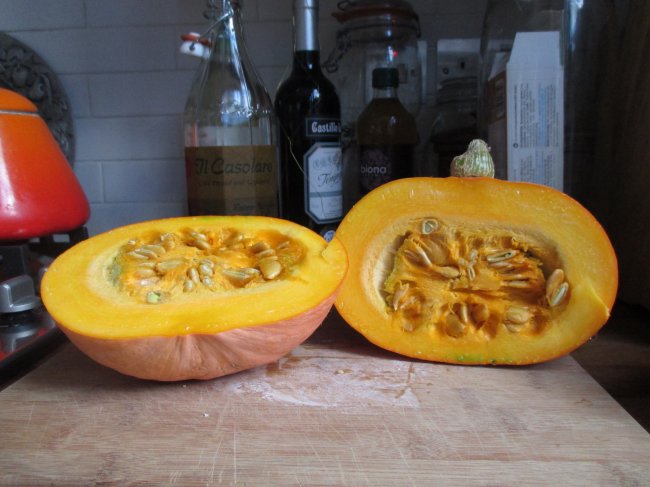
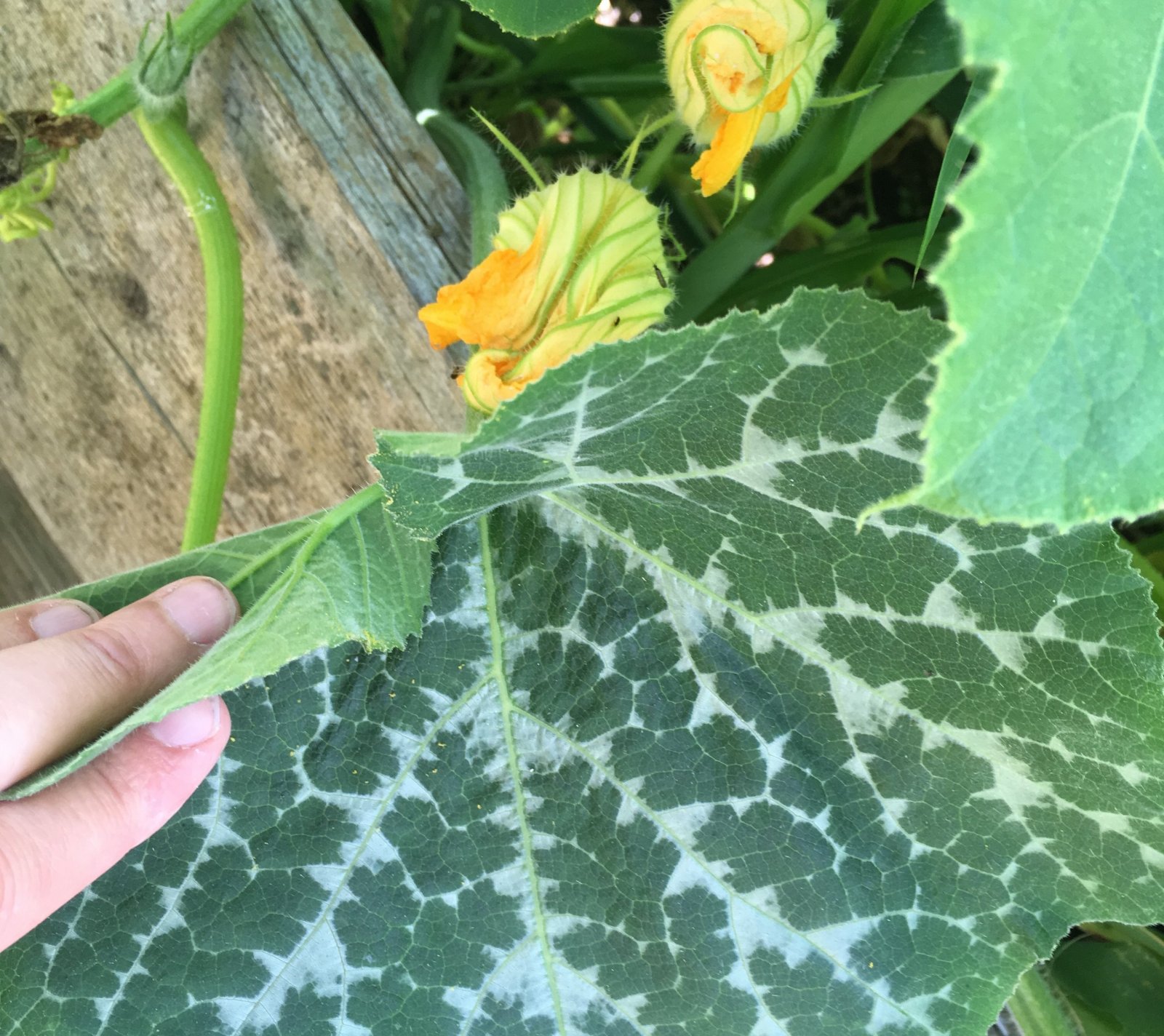
Pumpkins and squash, also known as cucurbits, were first cultivated in the Americans and are now grown around the world for their edible fruit and seed. The fruits are good sources of vitamin A and...
More

Zimbabwean Pumpkin Recipe
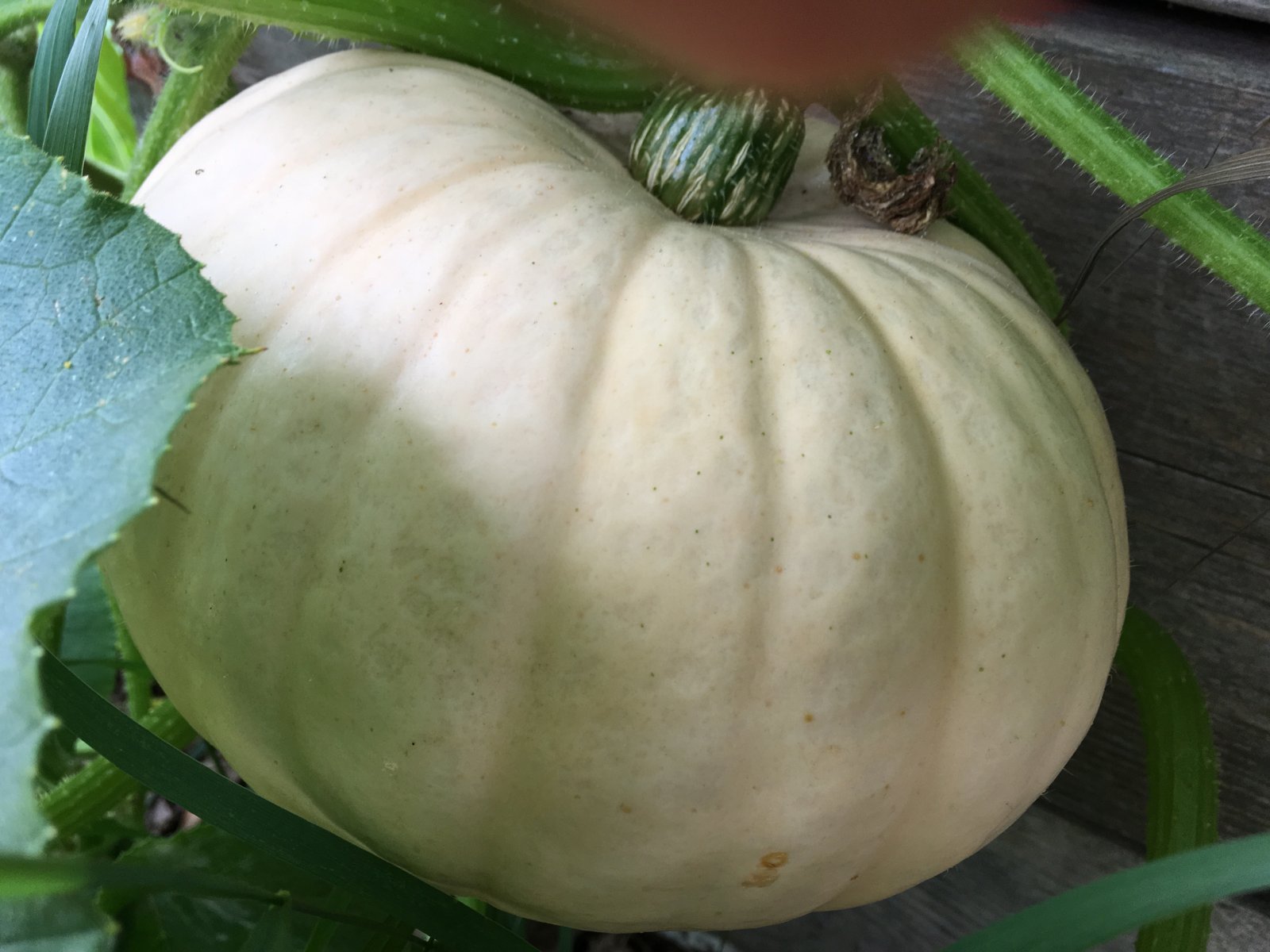
When it’s tender, take the leaves, clean the stalk. Then we cook the leaves together with the flowers. We put peanut butter, or we cook with tomatoes and onion. The pumpkin fruit we cut and cook them, and then we blend with peanut butter and we eat them like a pudding.

Basilia on Zimbabwean Pumpkin